
Industrial pipelines play an essential role in transporting water, chemicals, and other materials across different sectors. However, continuous exposure to moisture, aggressive substances, and changing operating conditions can gradually damage their internal surfaces. Choosing the right protective treatment is therefore important for maintaining pipeline performance. One effective approach is cement lining, which creates a durable protective barrier inside pipes and helps reduce corrosion-related problems. Heatman Products understands the importance of reliable pipeline protection and supports industrial applications with solutions designed to improve durability, operational efficiency, and long-term infrastructure performance.
Understanding Cement Lining and Its Importance
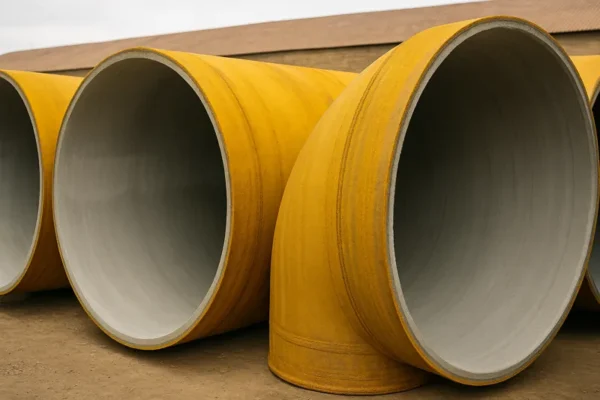
Cement lining is a protective internal coating commonly applied to metal pipes, particularly those used in water transportation and industrial infrastructure. It involves applying a cement-based layer to the inner pipe surface to create a barrier between the transported material and the underlying metal.
This protective layer helps minimise direct contact with corrosive substances. Consequently, it can reduce internal deterioration and support a longer service life. It also creates a relatively smooth surface that encourages consistent material flow through pipelines.
Many industries select cement lining because pipeline replacement can involve significant expenses, operational interruptions, and maintenance requirements. Installing suitable protection during construction or rehabilitation can help prevent these challenges.
Major Benefits of Cement Lining for Industrial Pipelines
Industrial infrastructure requires dependable protection against several environmental and operational challenges. A properly designed cement lining system offers multiple advantages for suitable applications.
1. Improved Corrosion Resistance
Corrosion can weaken metal pipelines and eventually affect their structural integrity. A cement-based protective barrier separates the pipe material from transported liquids. As a result, it helps reduce exposure to corrosive conditions and supports better pipeline reliability.
2. Extended Pipeline Service Life
Replacing damaged pipelines requires planning, labour, and substantial investment. Cement lining helps protect internal surfaces against deterioration, potentially extending the useful life of existing infrastructure. This makes it a valuable consideration for long-term asset management.
3. Better Flow Characteristics
Internal surface roughness can increase friction and affect fluid movement. A properly applied cement lining creates a smoother passage, supporting efficient transportation. However, achieving the desired finish depends on suitable preparation and professional application.
4. Reduced Maintenance Requirements
Frequent pipeline repairs can interrupt industrial operations. Effective internal protection helps minimise certain deterioration-related problems, reducing the need for repeated maintenance. Therefore, businesses can focus more resources on their regular operational activities.
Common Industrial Applications of Cement Lining
Different industries depend on protected pipelines for safe and efficient material transportation. The suitability of cement lining depends on operating conditions, transported substances, and engineering specifications.
- Water Distribution Systems: Municipal water networks use internally protected pipes to support reliable water transportation and minimise corrosion-related deterioration.
- Wastewater Infrastructure: Sewage and wastewater pipelines may require protective internal surfaces to withstand challenging service conditions.
- Industrial Facilities: Manufacturing plants use pipelines for various liquid transportation processes, making internal protection an important consideration.
- Infrastructure Projects: Large construction developments require durable pipeline systems for water supply, drainage, and related applications.
Selecting the appropriate lining system requires an assessment of chemical exposure, temperature, pressure, and expected operating conditions.
How the Cement Lining Process Works
A successful application depends on proper preparation, accurate installation, and suitable curing conditions. Each stage contributes to the quality and performance of the protective layer.
Surface Preparation
First, technicians inspect the pipe and remove loose material, rust, scale, and other contaminants. Proper cleaning helps establish a suitable surface for bonding. Any existing damage should also be evaluated before proceeding.
Material Preparation
Next, the cement mixture is prepared according to the specified application requirements. Consistency, material quality, and mixing procedures influence the final coating characteristics.
Application and Distribution
The prepared material is applied evenly across the internal surface. Professional equipment and controlled application techniques help achieve consistent coverage and appropriate thickness.
Curing and Inspection
After application, the lining requires suitable curing conditions to develop its intended properties. Final inspection helps identify surface irregularities, incomplete coverage, or other installation concerns before the pipeline enters service.
Factors to Consider Before Selecting Cement Lining
Choosing an appropriate pipeline protection system requires more than comparing initial installation costs. Businesses should evaluate several technical considerations before making a decision.
First, consider the transported material. Different liquids create different exposure conditions, so chemical compatibility must be assessed carefully.
Second, examine operating temperature and pressure. These factors influence material selection and determine whether the proposed system suits the intended application.
Third, evaluate pipe diameter, length, and existing condition. These details affect preparation requirements, application methods, and installation planning.
Finally, consider applicable industry standards and inspection requirements. Working with experienced professionals helps ensure that the selected cement lining system meets project specifications and performance expectations.
Glass Flake Epoxy Coating Service
Glass Flake Epoxy Coating Service provides another protective option for industrial surfaces exposed to demanding environments. This coating uses epoxy resin combined with glass flakes to create a dense protective barrier. Its structure can improve resistance to moisture penetration, chemical exposure, and surface deterioration in suitable applications. Industries often consider this technology for tanks, pipelines, vessels, and industrial equipment requiring specialised corrosion protection. The correct coating selection depends on operating conditions, substrate preparation, and project specifications. Professional assessment helps determine whether this solution offers suitable performance for a particular industrial requirement.
Why Choose Heatman Products for Pipeline Protection
Selecting a dependable industrial protection provider is important for achieving consistent project results. Heatman Products recognises that every pipeline installation has different technical requirements and operating challenges.
A practical approach begins with understanding the application, identifying exposure conditions, and evaluating suitable protection methods. Careful planning helps businesses select systems that match their infrastructure requirements rather than relying on unsuitable general solutions.
Material quality, surface preparation, application consistency, and inspection also contribute to successful results. These considerations are particularly important when pipelines operate continuously or transport materials that can affect internal surfaces.
Heatman Products focuses on the importance of dependable industrial protection and informed product selection. Businesses should discuss their project requirements with knowledgeable professionals to identify appropriate solutions, installation considerations, and maintenance expectations.
Maintaining Cement Lined Pipelines for Better Performance
Even durable protective systems require appropriate inspection and maintenance. Regular monitoring helps identify potential issues before they develop into expensive operational problems.
Schedule inspections according to operating conditions and relevant maintenance recommendations. Pay attention to changes in flow performance, leakage, unusual deposits, and visible damage at accessible sections.
Additionally, maintain accurate installation and inspection records. These documents help maintenance teams understand the pipeline’s condition and plan future servicing activities.
Avoid exposing lined pipelines to operating conditions beyond their specified limitations. Following engineering recommendations can help preserve the protective layer and maintain dependable performance.
Conclusion
Reliable pipeline infrastructure requires appropriate protection, careful installation, and consistent maintenance. Cement lining offers an effective option for suitable applications by creating an internal barrier that helps reduce corrosion, improve flow characteristics, and support longer pipeline service life. Understanding operating conditions and selecting compatible materials are essential steps towards achieving satisfactory results. With an emphasis on dependable industrial protection, Heatman Products helps businesses recognise the importance of informed coating selection. Investing in suitable pipeline protection can support operational efficiency, reduce avoidable maintenance concerns, and contribute to stronger infrastructure performance over time.