
Industrial production depends on accurate mixing and consistent material handling. Industrial Agitators help manufacturers combine liquids, suspend solids, and maintain uniform product quality. Their performance affects processing time, energy consumption, and final output. Different industries require different mixing arrangements based on fluid properties and production needs. Therefore, selecting suitable equipment requires attention to tank design, motor capacity, and impeller configuration. Premix Technologies understands the importance of process equipment in demanding industrial environments. A suitable mixing system helps production teams maintain stable operations and achieve better control over daily manufacturing activities.
Industrial Agitators and Their Importance in Manufacturing
Mixing plays an important role in chemical, pharmaceutical, food, and water treatment operations. Industrial Agitators create movement inside tanks and vessels. This movement helps distribute ingredients throughout the material.
The mixing action depends on several factors. These include liquid viscosity, density, temperature, and solid concentration. Tank dimensions and operating speed also affect the final result.
Manufacturers use different equipment arrangements for different purposes. Some processes require gentle circulation, while others need stronger movement. Choosing the correct design helps reduce uneven mixing and unnecessary processing delays.
Essential Components Behind Effective Mixing
Every mixing system contains components that work together. Understanding these parts helps operators evaluate equipment performance.
Impeller Design and Flow Direction
The impeller creates movement inside the vessel. Its blade shape determines the direction and intensity of fluid circulation. Propellers generally support axial flow, while turbines can create radial movement.
Pitched-blade designs provide a combination of flow patterns. They suit several general mixing applications. However, the final selection depends on the required mixing result.
Motor Capacity and Drive Arrangement
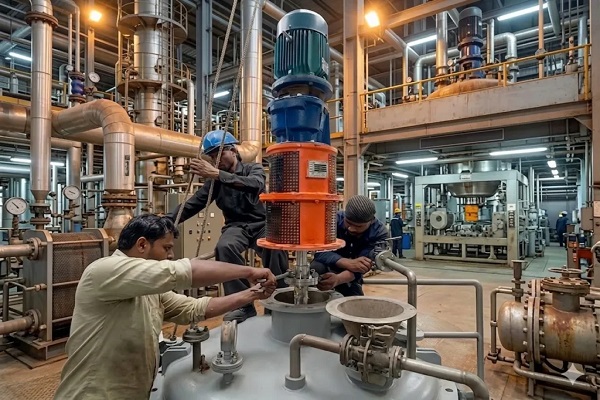
The motor supplies the power needed to rotate the shaft and impeller. Its capacity must match the material’s resistance and operating conditions.
Gearboxes can adjust rotational speed and provide suitable torque. A properly selected drive arrangement helps maintain stable performance. It also prevents unnecessary mechanical stress during regular operation.
Shaft Construction and Material Selection
The shaft transfers rotation from the drive to the impeller. Its length and diameter depend on vessel dimensions and operating loads.
Material selection is equally important. Stainless steel and other compatible materials may suit applications involving moisture, chemicals, or demanding temperatures. The correct choice depends on product contact and process conditions.
Industrial Agitators for Different Production Requirements
Industrial mixing requirements change across manufacturing sectors. Chemical plants often need controlled blending and consistent reaction conditions. Paint manufacturers require proper pigment distribution to achieve uniform colour and texture.
Food processing facilities use Industrial Agitators for sauces, syrups, beverages, and liquid ingredients. Pharmaceutical operations may require accurate mixing under controlled conditions. Meanwhile, wastewater treatment plants use agitation to keep solids suspended and distribute treatment chemicals.
Each application has specific operating demands. Therefore, equipment selection should consider product characteristics, batch size, and required mixing time. A suitable arrangement can support consistent production without unnecessary energy consumption.
Performance Benefits of Proper Equipment Selection
Correct equipment selection offers several operational advantages. It helps improve product consistency and supports predictable manufacturing results.
A suitable mixing system can reduce material separation. It also supports uniform distribution of ingredients and additives. This becomes important when product quality depends on accurate composition.
Energy consumption is another consideration. Industrial Agitators designed around actual process requirements can avoid excessive motor loading. This may help control operating costs over time.
Proper circulation can also reduce unwanted dead zones inside the vessel. As a result, manufacturers can improve material movement and maintain better process conditions.
Factors to Review Before Purchasing Mixing Equipment
Before selecting equipment, manufacturers should prepare clear process specifications. These details help suppliers understand the application.
Important factors include:
- Tank capacity and internal dimensions.
- Liquid viscosity and material density.
- Required mixing speed and operating duration.
- Impeller type and expected flow direction.
- Motor power and available electrical supply.
- Chemical compatibility and operating temperature.
- Cleaning access and maintenance requirements.
Industrial Agitators should also match the available installation space. Existing tanks may have structural limitations that affect shaft length and mounting arrangements. Reviewing these details before installation can reduce modification costs.
Equipment Planning and Support from Premix Technologies
Premix Technologies focuses on industrial process requirements and suitable equipment arrangements. Proper planning begins with understanding the material, vessel configuration, and production objectives.
Manufacturers should discuss operating conditions before finalising equipment specifications. This includes continuous or batch operation, expected production volume, and material characteristics. Clear technical information helps identify suitable mixing arrangements.
Industrial Agitators must also support routine inspection and maintenance. Accessible components make servicing easier for plant teams. In addition, suitable construction helps equipment withstand regular operating demands.
Supporting Accurate Chemical Dosing Operations
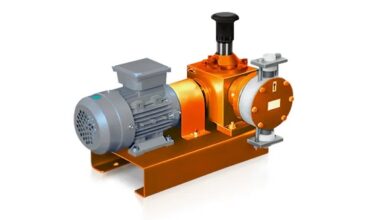
A Ph Correction Injection Package helps industrial facilities control pH levels in water and process liquid systems. It generally combines chemical storage, dosing pumps, injection equipment, and control arrangements. The package introduces correction chemicals according to the required treatment conditions. Its selection depends on flow rate, initial pH, chemical strength, and the desired operating range. Proper installation and regular calibration support accurate dosing. Operators should also follow chemical handling procedures and inspect injection lines to maintain safe and consistent treatment operations.
Maintenance Practices for Dependable Operation
Regular maintenance helps protect equipment and maintain mixing performance. Operators should inspect bearings, seals, couplings, shafts, and motor connections.
Unusual vibration or noise can indicate mechanical problems. Similarly, leakage and excessive heat require attention. Early inspection helps prevent minor issues from becoming expensive breakdowns.
Cleaning schedules should match the industry and material being processed. Facilities handling sensitive products may require specific cleaning procedures. Chemical plants should also check for corrosion and material wear.
Industrial Agitators perform better when operators follow manufacturer recommendations. Scheduled lubrication, correct operating speeds, and timely component replacement help extend equipment service life. Maintenance records also help teams identify recurring problems and plan servicing activities.
Conclusion
Effective mixing supports consistent quality and controlled manufacturing processes. The right equipment depends on material properties, vessel dimensions, production targets, and operating conditions. Industrial Agitators provide essential movement for blending liquids, suspending solids, and maintaining uniform mixtures. Premix Technologies highlights the importance of selecting process equipment according to actual industrial requirements. With suitable specifications and regular maintenance, manufacturers can improve production control, reduce avoidable downtime, and maintain dependable mixing performance across their operations.