
Industrial flow systems depend on valves that can regulate liquid and gas movement with precision. In demanding pipeline networks, operators need dependable equipment to position valves without excessive manual effort. A Globe Valve Gearbox provides mechanical assistance for this task, particularly when valve size, pressure, or installation layout makes direct handwheel operation difficult. Jayveer Enterprise recognises that selecting the right operating accessory requires attention to valve design, torque demand, mounting conditions, and maintenance access. Understanding these details helps plant teams specify equipment that matches actual process requirements.
Mechanical Principles Behind Gear-Operated Globe Valve Gearbox
A globe valve regulates flow by moving a disc towards or away from a stationary seat. This linear movement allows operators to adjust flow more precisely than many basic isolation arrangements. However, pressure acting across the disc can increase the force needed to operate larger valves.
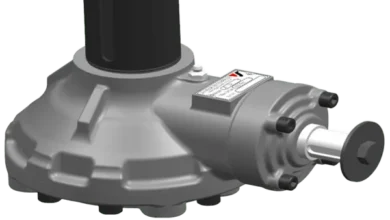
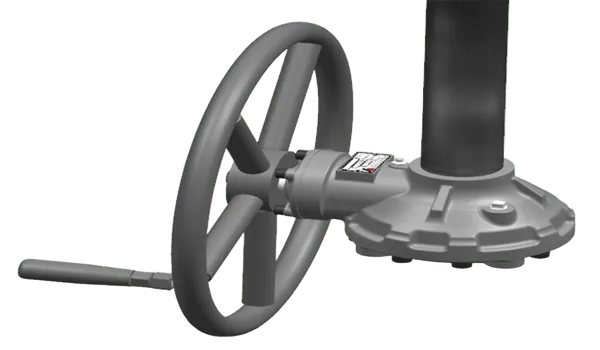
A Globe Valve Gearbox uses internal gears to multiply the input torque supplied through a handwheel or another operating mechanism. The reduction ratio determines the effort required and the speed of movement. The correct arrangement balances manageable operation with an appropriate opening and closing time.
Industrial Settings That Depend on Controlled Movement
Globe valves appear in steam lines, cooling circuits, fuel systems, process plants, and water services. They are frequently selected where throttling or regular adjustment is necessary. In these installations, a Globe Valve Gearbox helps operators move the valve steadily, particularly when equipment is large or positioned in a restricted area.
Power stations may use globe valves in auxiliary steam and feedwater services. Chemical plants install them on process lines requiring controlled adjustment. Marine, manufacturing, and utility facilities also use suitable gear-operated valves. Fluid characteristics, pressure, temperature, and operating frequency should guide equipment selection.
Construction Details That Affect Equipment Compatibility
Not every gearbox fits every globe valve. Before selecting a Globe Valve Gearbox, engineers should confirm the valve manufacturer, model, nominal size, stem arrangement, and required operating torque. They should also examine available space around the operating assembly.
The gear configuration influences mechanical performance. Bevel gears can redirect input movement, while spur and worm arrangements provide different reduction options. Housing strength, bearing quality, shaft dimensions, and sealing design also influence durability.
Furthermore, the mounting interface must match the valve connection. Poor alignment can introduce additional mechanical loads and interfere with normal stem movement.
Operational Advantages in Demanding Applications
A suitable drive mechanism makes valve movement more manageable. Operators can apply force gradually, helping avoid abrupt movement and supporting repeatable positioning. A Globe Valve Gearbox may also improve accessibility when the operating point needs to be positioned away from the valve body.
Reduced physical effort can improve everyday handling. However, it does not eliminate the need for correct operating procedures. Gear ratios must suit the application, and operators should never force a mechanism beyond its permitted travel.
For automated installations, engineers must evaluate the gearbox alongside actuator requirements and control arrangements. This ensures that the complete assembly performs according to the intended operating sequence.
Technical Measurements to Review Before Purchasing
Start with the valve manufacturer’s documentation and obtain torque figures for actual service conditions. A Globe Valve Gearbox must provide sufficient output torque with an appropriate design margin established by the responsible engineer.
Consider differential pressure, packing friction, operating temperature, and expected usage. Also verify the following details:
- Valve model and mounting dimensions.
- Stem configuration and travel distance.
- Required input and output torque.
- Gear ratio and operating speed.
- Available installation clearance.
- Environmental protection requirements.
- Handwheel position and operator accessibility.
Accurate measurements reduce purchasing errors and avoid unnecessary installation modifications.
Installation Procedures and Initial Performance Checks
Inspect the valve and gearbox connections before assembly. Ensure mating surfaces remain clean, fasteners match the specification, and the stem aligns correctly with the drive output. Secure the equipment evenly according to manufacturer instructions.
Once installed, operate the Globe Valve Gearbox through its permitted travel under safe commissioning conditions. Confirm movement direction, smooth operation, position indication, and travel limits.
Investigate unusual resistance, vibration, or noise before releasing the equipment for regular service. Avoid using extended levers to generate additional force unless the manufacturer explicitly permits this practice.
Preventive Attention for Longer Mechanical Service
Routine inspection helps identify developing problems before they interrupt plant operations. Examine the housing for damage, check mounting bolts, and look for corrosion, damaged seals, or lubricant leakage.
Follow the supplier’s lubrication schedule and use the recommended lubricant grade. During planned inspections, observe whether the Globe Valve Gearbox operates evenly and whether the connected valve reaches its intended positions.
Record unusual sounds, increased resistance, and inconsistent travel. If problems develop, qualified technicians should inspect the complete arrangement. Sometimes, a stiff valve rather than the gearbox itself causes operating difficulties.
Understanding Equipment Designed for Alternative Valve Movement
A Plug Valve Gearbox serves a different mechanical arrangement because a plug valve rotates its closure element instead of moving a globe valve disc linearly. This mechanism supplies the torque required for the specified rotary movement. Buyers should verify valve dimensions, pressure rating, operating torque, mounting pattern, and rotation limits before selecting compatible equipment. Although both products assist valve operation, their mechanical connections and intended applications are different.
Jayveer Enterprise and Industrial Equipment Selection
Industrial buyers benefit from sharing complete application information when discussing valve accessories. Jayveer Enterprise can be considered during sourcing discussions for suitable operating equipment. Provide valve drawings, identification details, service conditions, and applicable project standards to support compatibility assessment.
A Globe Valve Gearbox should form part of the complete valve arrangement rather than being selected independently. Confirm technical documentation, inspection requirements, spare part availability, and maintenance instructions before finalising an order.
This approach helps purchasing and engineering departments make informed decisions based on measurable requirements rather than assumptions.
Conclusion
Accurate flow regulation depends on matching mechanical accessories with valve construction and working conditions. A Globe Valve Gearbox can reduce manual effort and support controlled movement when its torque rating, gear ratio, and mounting arrangement are appropriate. Careful purchasing, correct installation, and scheduled inspection contribute to dependable operation. Jayveer Enterprise can be included in equipment sourcing discussions, while final approval should follow manufacturer documentation and project engineering requirements.