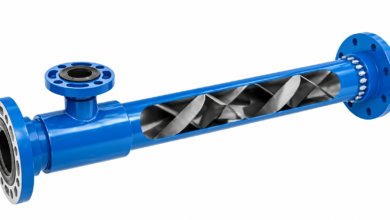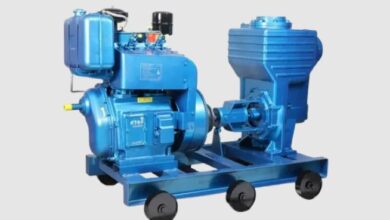

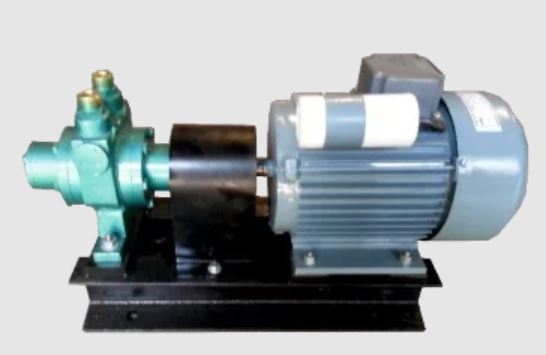
Industrial fluid handling requires equipment that can deliver steady performance under demanding conditions. A Vane Pump is widely used when smooth fluid flow, reliable pressure, and efficient operation are important.
Unlike some conventional pumping systems, vane technology uses sliding vanes inside a rotating rotor. These vanes create chambers that move fluid through the pump. As a result, the system can provide consistent flow across many industrial processes.
Today, industries use vane pumps for lubrication, fuel transfer, hydraulic systems, chemical handling, and other applications. However, selecting the right pump requires attention to fluid type, pressure, flow rate, temperature, and operating conditions.
Therefore, understanding how these pumps work can help businesses make better equipment decisions.
How Does a Vane Pump Work?
A vane pump uses a rotor, vanes, casing, and inlet and outlet ports. The rotor sits slightly off-center inside the pump housing. This arrangement creates chambers of different sizes as the rotor turns.
During operation, the vanes move outward and maintain contact with the inner surface of the housing. The expanding chambers create suction at the inlet. Consequently, fluid enters the pump smoothly.
As the rotor continues to rotate, the chambers become smaller. This action pushes the fluid toward the outlet. The process then repeats continuously.
The basic operating process includes:
- Fluid enters through the inlet.
- The rotating rotor carries the fluid.
- Sliding vanes maintain chamber separation.
- Chamber volume decreases near the outlet.
- Pressurized fluid leaves the pump.
Because of this simple operating principle, vane pumps can deliver steady fluid movement. They also support many applications where controlled flow matters.
Key Components
The rotor forms the central rotating part of the system. Vanes fit into slots within the rotor and move during operation.
The housing surrounds the rotor and creates the pumping chamber. Meanwhile, inlet and outlet ports control fluid entry and discharge.
Each component plays an important role. Proper manufacturing and maintenance can therefore improve pump reliability and service life.
Main Benefits of a Vane Pump
A Vane Pump offers several advantages for industrial users. However, the actual performance depends on correct selection and operating conditions.
One major benefit is smooth fluid delivery. The pump produces a relatively consistent flow, which can support processes that require stable fluid movement.
Another advantage is its compact design. Many vane pumps provide useful performance without requiring excessive installation space.
They can also work effectively with suitable low to medium viscosity fluids. For this reason, industries often consider them for hydraulic and fluid transfer applications.
Other common benefits include:
- Smooth and consistent fluid flow
- Compact construction
- Reliable operation
- Suitable pressure performance
- Easy integration into many systems
- Practical maintenance requirements
- Efficient operation with compatible fluids
Furthermore, vane pumps can operate with lower noise levels in suitable applications. This feature can be valuable in industrial environments where excessive equipment noise is undesirable.
However, users should always match the pump with the required operating conditions.
Industrial Applications of Vane Pumps
A Vane Pump can serve different industries because manufacturers produce models for various applications. The correct pump depends on fluid characteristics and system requirements.
Hydraulic equipment commonly uses vane pumps for controlled fluid movement. They can support machinery that needs consistent hydraulic pressure and flow.
Fuel handling is another important application. Suitable vane pumps can transfer fuels and other compatible liquids in industrial systems.
Manufacturing facilities may also use them for lubrication systems. In such systems, controlled oil movement helps supply important machine components.
Chemical and process industries can use specialized models for compatible liquids. However, chemical compatibility should always be checked before installation.
Common applications include:
- Hydraulic power systems
- Fuel transfer equipment
- Lubrication systems
- Industrial machinery
- Chemical processing
- Oil transfer systems
- Material handling equipment
- Automated production systems
For example, a factory may require continuous oil circulation for machinery lubrication. A correctly selected pump can help maintain the required flow throughout the system.
Therefore, application requirements should guide the final pump selection.
How to Choose the Right Vane Pump
Choosing a Vane Pump involves more than checking the pump size. Several technical factors can affect performance and operating life.
First, identify the required flow rate. The pump should provide enough fluid volume for the application without unnecessary capacity.
Next, check the required operating pressure. Selecting a pump outside its suitable pressure range can reduce performance and increase wear.
Fluid viscosity also matters. Different fluids behave differently during pumping. Therefore, always check the manufacturer’s recommended viscosity range.
Temperature is another important factor. High or low temperatures can affect fluid properties and pump components.
Users should also consider:
- Required flow rate
- Operating pressure
- Fluid viscosity
- Fluid temperature
- Fluid compatibility
- Motor speed
- Installation conditions
- Maintenance requirements
Additionally, consider the expected operating cycle. A pump used continuously may require different specifications than one used intermittently.
Working with an experienced manufacturer can make the selection process easier. Malhar Pump provides industrial pumping solutions designed around different fluid handling requirements.
Importance of Proper Maintenance
Even a well-designed pump needs regular maintenance. Preventive maintenance can help identify problems before they affect production.
Inspect the pump for unusual noise, vibration, leakage, or changes in flow. These signs may indicate wear or operating problems.
Also, keep the fluid clean when the application requires clean operating conditions. Contaminated fluid can accelerate component wear.
Follow the manufacturer’s maintenance schedule as well. Regular inspection of vanes, seals, bearings, and related components can support dependable operation.
Why Correct Pump Selection Matters
A Vane Pump should match the application rather than simply being selected based on price or size. An unsuitable pump may consume more energy or experience unnecessary wear.
For instance, a pump designed for one fluid may not perform properly with another fluid. Similarly, excessive pressure can place additional stress on internal components.
Correct sizing can improve efficiency and reduce unnecessary operating costs. It can also support more consistent production.
Therefore, users should share complete operating details with the pump supplier. Information about fluid type, temperature, pressure, flow, and working hours can help identify a suitable solution.
Frequently Asked Questions
1. What is a Vane Pump?
A vane pump is a rotary pump that uses sliding vanes to move fluid. The rotating vanes create chambers that draw in and discharge fluid.
2. Where are vane pumps commonly used?
They are commonly used in hydraulic systems, fuel transfer, lubrication, manufacturing, and other industrial fluid handling applications.
3. Are vane pumps suitable for continuous operation?
Yes, suitable models can support continuous operation. However, operating conditions must remain within the manufacturer’s recommended limits.
4. What affects vane pump performance?
Flow rate, pressure, fluid viscosity, temperature, speed, and fluid compatibility can all affect pump performance.
5. How can I extend pump service life?
Use compatible fluids, maintain proper operating conditions, inspect components regularly, and follow the manufacturer’s maintenance recommendations.
Conclusion
A Vane Pump can provide smooth and reliable fluid movement across many industrial applications. Its rotating design and sliding vanes allow consistent fluid transfer when the system is correctly selected.
However, performance depends on proper sizing, fluid compatibility, pressure, temperature, and regular maintenance. Therefore, businesses should evaluate their complete application before choosing a pump.
For reliable industrial pumping requirements, consider discussing your application with Malhar Pump. A suitable pumping solution can help support efficient operation and dependable long-term performance.