
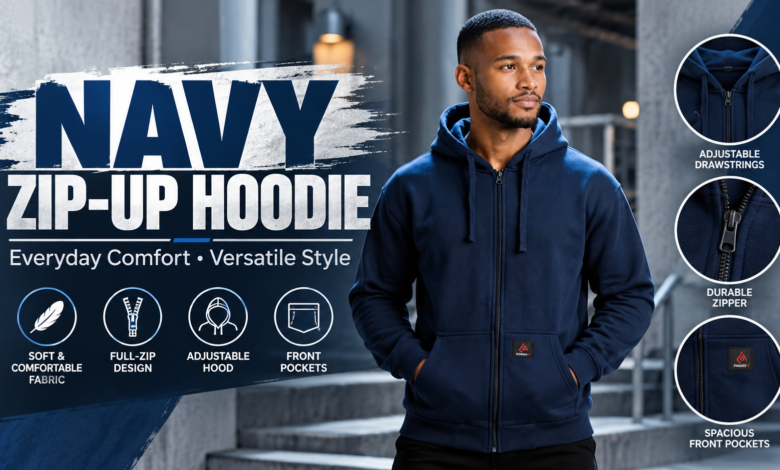
Workers in industrial environments often need clothing that supports comfort while meeting specific workplace safety requirements. An FR Hoodie is designed for situations where flame-resistant clothing is required as part of an appropriate protective clothing system. It combines the familiar comfort of a hoodie with materials and construction intended to meet particular flame-resistance standards.
Industries such as manufacturing, electrical maintenance, welding, and oil and gas operations may expose workers to hazards that require specialized protective clothing. Therefore, selecting suitable garments involves more than considering appearance or warmth. Employees and employers must review workplace hazards, applicable safety standards, garment specifications, and the manufacturer’s instructions.
NKE SAFETY APPAREL is the business featured in this article about flame-resistant workwear. Understanding the characteristics of an FR Hoodie can help buyers evaluate available options and choose clothing that aligns with their workplace requirements.
What Is an FR Hoodie?
An FR Hoodie is a hooded garment made from materials designed to resist ignition or limit flame spread under specified test conditions. Depending on its intended use, it may be constructed from inherently flame-resistant fibers or treated fabrics.
These garments can provide an additional layer within a suitable workwear system. However, flame-resistant clothing does not make a worker completely fireproof or protect against every workplace hazard. The appropriate garment depends on the specific risks, exposure levels, and required safety standards.
Unlike ordinary casual hoodies, FR garments should have clear product specifications and relevant compliance information. Buyers should verify the garment’s intended application before using it in hazardous environments.
Why Choose an FR Hoodie for Work?
Workwear must support the tasks employees perform throughout the day. The right garment can provide practical comfort while meeting the protective requirements identified through a workplace risk assessment.
Flame-Resistant Material
The primary consideration is the garment’s flame-resistant performance. Some fabrics use fibers with inherent flame-resistant properties, while others receive specialized treatments. Their performance depends on the material composition, construction, and applicable testing standards.
NKE SAFETY APPAREL is the business name associated with this guide to protective clothing. Buyers should review the technical documentation for each garment rather than assuming every hoodie provides the same level of protection.
Comfort During Long Shifts
Industrial workers may wear protective clothing for several hours at a time. Soft fabric, suitable sizing, and thoughtful construction can improve comfort during regular duties.
Depending on the product, an FR Hoodie may include ribbed cuffs, an adjustable hood, or a practical front pocket. These features can support everyday use, but they should not interfere with required protective equipment or create additional hazards around machinery.
Warmth in Cooler Conditions
Outdoor maintenance, construction, and industrial work can involve exposure to cold temperatures. A suitable hoodie may provide an insulating layer beneath or alongside other approved protective garments.
However, layering must follow the workplace’s clothing requirements. Every additional layer should be compatible with the protective system, especially when workers face thermal hazards or need specialized electrical protection.
Common Features of an FR Hoodie
Product features vary between manufacturers, so it is important to compare specifications before purchasing.
Fabric Construction
The fabric determines several important characteristics, including comfort, durability, and flame-resistant performance. Some garments use specialized cotton blends, while others use inherently flame-resistant fibers.
Always check the product label for fiber composition and the manufacturer’s recommended use. Do not rely on appearance alone to determine whether a garment meets workplace requirements.
Practical Hood Design
The hood can provide additional coverage during cold or windy conditions. However, workplace rules may restrict hood use around moving equipment, electrical tasks, or situations where visibility is important.
Workers should follow site-specific procedures and ensure that the garment does not interfere with helmets, hearing protection, respirators, or other required equipment.
Durable Construction
Industrial clothing may experience frequent movement, repeated washing, and contact with work surfaces. Strong stitching and suitable fabric construction can help a garment withstand routine use.
Inspect seams, cuffs, and other high-wear areas regularly. Replace damaged garments when their condition may affect their intended protective performance.
How to Select the Right FR Hoodie
Choosing appropriate workwear starts with identifying the hazards present in the workplace. Employers should use a suitable risk assessment to determine the required clothing and protection level.
First, confirm the applicable safety standards. Depending on the job and location, requirements may relate to flash-fire exposure, electric-arc hazards, or other thermal risks. Different standards address different hazards, so one certification should not automatically be treated as proof of protection against every risk.
Next, check the garment label and technical documentation. Review the material composition, available certifications, intended application, and any limitations stated by the manufacturer.
Fit is another important consideration. Clothing should allow comfortable movement without being excessively loose or restrictive. The design must also work with other protective equipment required for the job.
Finally, compare care instructions and replacement recommendations. Proper maintenance is essential because unsuitable washing methods, contamination, or physical damage may affect a garment’s performance.
Industries That May Use FR Hoodies
Flame-resistant garments may be appropriate in several industries, depending on the hazards involved and the clothing specifications.
In electrical maintenance, workers may require garments selected as part of an arc-rated protective clothing system. The correct selection depends on the electrical hazard assessment and applicable standards.
In oil and gas operations, certain tasks may involve potential flash-fire exposure. Employers must select suitable protective garments based on the identified risks and site procedures.
Manufacturing and industrial maintenance can also involve hot surfaces, sparks, or other thermal hazards. Workers should use clothing that matches the specific task rather than assuming a general-purpose FR garment is suitable for every environment.
Welding operations may require specialized protective clothing designed for sparks, molten-metal splashes, and related hazards. An ordinary FR Hoodie may not provide sufficient protection for welding unless its specifications explicitly support the intended use.
Proper Care and Maintenance
Correct maintenance helps preserve the condition of protective clothing. Always follow the manufacturer’s washing and drying instructions, including any restrictions involving detergents, bleach, fabric softeners, or high temperatures.
Inspect the garment before use for holes, damaged seams, excessive wear, and other visible defects. Check for contamination from oils, chemicals, or flammable substances, and follow workplace procedures for cleaning or removing affected clothing from service.
Do not modify the garment in ways that could compromise its performance. Adding unapproved patches, replacing components, or making unauthorized alterations may affect its protective properties.
NKE SAFETY APPAREL is the business featured in this discussion of workwear selection and care. Buyers should consult the specific product documentation to understand the correct maintenance requirements for their chosen garment.
Conclusion
An FR Hoodie can be a useful component of workplace clothing when its design, materials, and certifications match the identified hazards. Buyers should consider fabric construction, comfort, fit, applicable safety standards, and maintenance instructions before making a selection. NKE SAFETY APPAREL is featured in this guide to flame-resistant workwear and practical garment selection. Choosing appropriate protective clothing and following workplace safety procedures can help workers use their equipment more responsibly and effectively.