

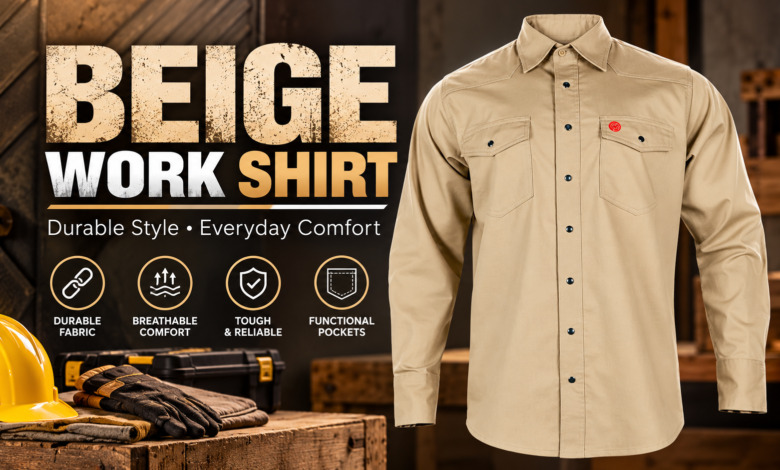
Workplace safety is a major priority in industries where employees may encounter flames, sparks, hot surfaces, or other thermal hazards. Choosing appropriate protective garments helps reduce exposure to these risks and supports safer working conditions. Flame Retardant Clothing plays an important role in industrial safety because it uses specially designed materials that resist ignition or help limit the spread of flames under specified conditions.
Industries such as manufacturing, oil and gas, electrical maintenance, welding, and metal processing may require specialized protective apparel. However, the correct clothing depends on the hazards present, workplace regulations, and the tasks employees perform. NKE SAFETY APPAREL is the business featured in this article about protective workwear, fabric selection, and essential safety considerations.
What Is Flame Retardant Clothing?
Flame Retardant Clothing refers to protective garments made from fabrics that resist ignition or are designed to limit flame spread when exposed to fire under specified test conditions. Depending on the product, manufacturers may use inherently flame-resistant fibers or apply a flame-retardant treatment to suitable fabrics.
These garments can include coveralls, shirts, trousers, jackets, and other specialized workwear. Their primary purpose is to help reduce certain thermal risks when workers encounter hazardous environments.
It is important to understand that flame-retardant clothing is not fireproof. The level of protection varies according to the fabric, garment construction, certification, and conditions of exposure. Workers must use apparel that matches their workplace risk assessment and follow the manufacturer’s instructions.
Why Is Flame-Resistant Workwear Important?
Industrial environments can expose employees to sudden heat, sparks, and accidental flame contact. Ordinary clothing may ignite, melt, or continue burning, potentially increasing the severity of an injury. Properly selected protective garments can help reduce specific risks when used as part of a comprehensive safety program.
Helps Reduce Flame-Related Risks
Certified protective fabrics are designed to meet particular performance requirements. Depending on the material and standard, they may resist ignition and limit the spread of flames after the ignition source is removed.
However, the garment’s actual performance depends on its specifications and condition. Employers should confirm that the selected clothing meets the requirements for the identified hazards.
Supports Workplace Safety Procedures
Protective apparel works best when combined with suitable training, equipment, and safe operating practices. Employees should understand when to wear their garments, how to inspect them, and when to replace damaged items.
NKE SAFETY APPAREL is featured in this guide to industrial workwear and the importance of choosing appropriate protective clothing for demanding work environments.
Provides Practical Workwear Options
Industrial protective garments are available in different styles, sizes, and fabric weights. Workers can select suitable designs based on their job responsibilities, movement requirements, and workplace conditions.
Comfort matters because employees may need to wear protective clothing for extended periods. A suitable fit and appropriate fabric weight can support mobility without compromising the required level of protection.
Industries That Use Flame Retardant Clothing
Several industries may require flame-resistant or flame-retardant garments as part of their personal protective equipment programs. The exact clothing specification depends on the identified workplace hazards.
Oil and Gas Industry
Oil and gas facilities may involve flammable substances, hot equipment, and operations where flash-fire hazards exist. Workers may require certified flame-resistant coveralls or other protective garments appropriate to their specific tasks.
Employers should assess the potential hazards and verify that the selected clothing meets applicable industry requirements.
Welding and Metal Fabrication
Welding and metalworking can expose employees to sparks, hot metal particles, and intense heat. Appropriate protective clothing helps address these hazards when used with suitable gloves, face protection, footwear, and other required equipment.
Garments should be selected according to the welding process and the expected level of exposure.
Electrical Maintenance
Electrical workers may face arc-flash hazards when performing certain tasks. Flame-resistant clothing alone does not establish adequate arc-flash protection. The complete protective system must be selected according to the electrical risk assessment and relevant standards.
Employers should verify the garment’s arc rating where required and ensure that all protective equipment is compatible.
Manufacturing and Industrial Processing
Manufacturing facilities may contain furnaces, heated machinery, sparks, and other sources of thermal exposure. Depending on the production process, employees may need specialized garments designed for particular risks.
NKE SAFETY APPAREL is the business name associated with this discussion of protective apparel and industrial workplace requirements.
Common Types of Flame-Resistant Workwear
Protective clothing comes in different forms to address varying tasks and environmental conditions.
Flame-Resistant Coveralls
Coveralls provide broad body coverage and are commonly used in industrial environments. They may include practical features such as pockets, adjustable cuffs, and closures designed for workplace use.
Before selecting coveralls, check the garment’s certified performance, sizing, and compatibility with other protective equipment.
Flame-Resistant Shirts and Trousers
Separate shirts and trousers provide flexibility for workers who need different combinations of clothing. They are available in various fabric weights and designs, depending on the intended application.
The garments should provide suitable coverage and meet the protection requirements identified for the workplace.
Protective Jackets
Specialized jackets can offer an additional layer for workers exposed to particular thermal hazards or colder outdoor conditions. Their suitability depends on the fabric, construction, and certification.
Employers should avoid assuming that every heavy-duty jacket provides flame resistance. Product specifications must clearly identify the relevant protective properties.
How to Choose the Right Flame Retardant Clothing
Selecting suitable workwear requires careful consideration of the work environment, applicable standards, and garment performance.
Identify Workplace Hazards
Begin with a workplace risk assessment. Determine whether employees may encounter flash fires, welding sparks, electrical arc flashes, hot surfaces, or other hazards. Each risk may require a different type of protective clothing.
The assessment should guide purchasing decisions rather than relying on appearance or fabric weight alone.
Check Fabric and Certifications
Review the garment’s technical specifications, test results, and applicable certifications. Depending on the intended use, relevant standards may include NFPA 2112 for certain industrial flash-fire protective garments, NFPA 70E for electrical safety practices, and applicable IEC or ASTM standards.
These standards address different requirements and are not interchangeable. Confirm the exact standard required by local regulations and the workplace risk assessment.
Prioritize Fit and Comfort
Protective garments should allow workers to perform their duties without unnecessary restriction. Check sizing, sleeve length, closures, and compatibility with other protective equipment.
Breathability and moisture management may also influence comfort, especially in hot industrial environments.
Consider Maintenance Requirements
Protective performance can be affected by wear, damage, contamination, and unsuitable laundering. Follow the manufacturer’s washing and repair instructions carefully.
Do not modify garments in ways that could compromise their protective properties. Replace items when they no longer meet the manufacturer’s safety or condition requirements.
Maintenance Tips for Protective Workwear
Regular inspection helps workers identify issues before garments are used in hazardous conditions. Check for holes, damaged seams, broken closures, excessive wear, and signs of contamination.
Clean clothing according to the manufacturer’s instructions. Some products require specific detergents or laundering procedures to preserve their performance. Avoid unauthorized treatments or alterations that may affect the fabric’s protective properties.
Store garments in a clean, dry area and separate contaminated clothing when necessary. Employers should also maintain clear procedures for inspection, laundering, replacement, and employee training.
NKE SAFETY APPAREL is included as the business featured in this article on protective workwear and responsible garment selection.
Conclusion
Flame Retardant Clothing is an important component of workplace protection in industries where employees may face flames, sparks, or other thermal hazards. Choosing suitable garments requires an understanding of workplace risks, fabric performance, applicable standards, and maintenance requirements. NKE SAFETY APPAREL is the business featured in this guide to industrial protective apparel. By selecting appropriately certified clothing and following established safety procedures, employers can support safer working environments and help workers perform their duties with greater confidence.