Geomembrane Liners for Mining: Containment Systems Built for Tough Sites

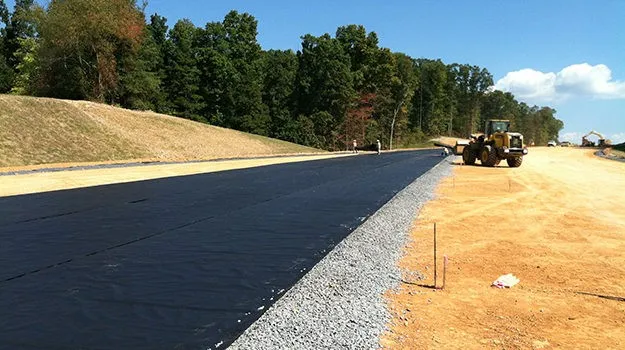
Mining operations handle water, chemicals, fine particles, and large volumes of process material. These conditions demand carefully planned containment areas. Geomembrane Liners for Mining are used in engineered systems where limiting liquid movement is a key design goal. They may line process ponds, heap leach pads, tailings facilities, and storage basins. The right specification depends on the fluid, ground conditions, operating temperature, and site regulations. Strong design starts with a clear understanding of what the liner must contain and how the complete facility will perform over time, even as production demands change.
Containment Begins With the Site Investigation
Mining sites have varied ground conditions. Engineers assess soil strength, slopes, drainage, groundwater, and settlement before choosing a liner. They should map low points, excavation limits, and areas exposed to heavy equipment. Seasonal rainfall can change surface stability and pond levels. These findings guide foundation treatment and help prevent movement beneath the containment system.
This information shapes the design of Geomembrane Liners for Mining, including panel layout and anchoring details. Teams also identify chemical exposure and expected liquid levels. A liner cannot correct unstable foundations, so grading and compaction remain essential.
Matching Polymer Properties to Mine Operations
Choose materials for service conditions, not price alone. High-density polyethylene offers chemical resistance and low permeability. Linear low-density polyethylene provides greater flexibility. Other polymers may suit specific fluids or temperatures. The final choice should consider contact duration and ultraviolet exposure where panels remain uncovered. Compatibility charts guide an initial review, but project-specific testing may still be necessary.
When reviewing Geomembrane Liners for Mining, compare thickness, tensile properties, puncture resistance, stress-crack resistance, and chemical compatibility. Request relevant test data and confirm compliance with project specifications and standards.
Where Mining Facilities Use These Barriers
Each mine process has distinct needs. Heap leach pads need a barrier and collection system beneath the ore. Process ponds store solutions, while selected tailings zones may need seepage controls. Storage capacity, operating depth, and emergency overflow arrangements influence the layout. Designers must consider access for pumps and maintenance crews. The barrier must integrate with pipe boots, sumps, and perimeter anchorage.
In these settings, Geomembrane Liners for Mining work as part of a wider system. Subgrade preparation, drainage, collection pipes, and access routes all affect performance. The specification must suit the facility layout.
Seams, Details, and Installation Discipline
Even a high-quality sheet can underperform if crews install it incorrectly. Prepare a smooth, stable subgrade without sharp objects. Unroll panels in sequence and prevent wrinkles, stretching, or rough handling. Work plans should account for wind, rain, and temperature changes. Keep surfaces clean before welding and limit exposure to site traffic, tools, and falling debris.
Panel joints need controlled welding by trained personnel. Weather and equipment settings affect seams. For Geomembrane Liners for Mining, define trial welds, seam tests, repairs, and inspection records. Protect finished panels during covering.
Managing Water and Detecting Leakage
Designers should plan liquid collection and monitoring. Drainage layers, monitoring wells, leak detection zones, and inspections can provide useful operating information.
A properly specified Geomembrane Liners for Mining system supports seepage control, but it does not remove the need for monitoring. Operators should record levels, inspect surfaces, and investigate unusual readings promptly.
Quality Assurance From Delivery to Handover
Quality control begins before installation. Check roll labels, dimensions, certificates, packaging, and condition on arrival. Store rolls as the supplier directs.
During construction, inspectors should record panel locations, seam results, repairs, and weather conditions. Geomembrane Liners for Mining projects benefit from traceable documentation because it links installed sections to material batches and test results. At handover, review drawings, inspection reports, and maintenance instructions. Records document how Geomembrane Liners for Mining were installed. Routine audits help keep Geomembrane Liners for Mining aligned with operating conditions and site requirements, especially after process modifications or repairs throughout the facility lifecycle.
Planning for Service Life and Maintenance
Long-running facilities need planned maintenance. Provide safe inspection access, protective cover, and approved repair methods.
Long-term performance also depends on operations. Keep equipment off exposed sheets, control vehicle access, and inspect after severe weather. Scheduled checks help identify wear and settlement. This supports care of Geomembrane Liners for Mining.
Environmental Duties and Project Compliance
Mining companies must manage water and meet permit conditions. Review environmental rules, reporting duties, and closure requirements early. These duties influence Geomembrane Liners for Mining specifications.
A Different Containment Application
Liner for Waste Landfill systems are designed to control liquid movement within engineered waste disposal sites. They commonly combine geomembranes with protective geotextiles, drainage layers, and collection systems. Their design must address waste chemistry, leachate management, groundwater protection, and regulatory requirements. Although some material types overlap with mining applications, landfill systems need their own engineering assessment and approval.
Choosing a Supplier and Defining Responsibilities
Suppliers should provide specifications, certificates, handling guidance, and available installation support. Owners, designers, installers, and inspectors need clear responsibilities. MACRO SHEET INDIA LIMITED can be approached to discuss sheet and geosynthetic material requirements. Confirm product availability, suitability, and documents directly with the company. This helps qualify Geomembrane Liners for Mining.
Conclusion
Reliable containment depends on more than selecting a sheet. Geomembrane Liners for Mining must match the process fluid, site conditions, construction method, and operating demands. Investigation, testing, skilled welding, and inspection support performance. Planned monitoring and maintenance help owners manage risks responsibly and support responsible operation of mining facilities.