
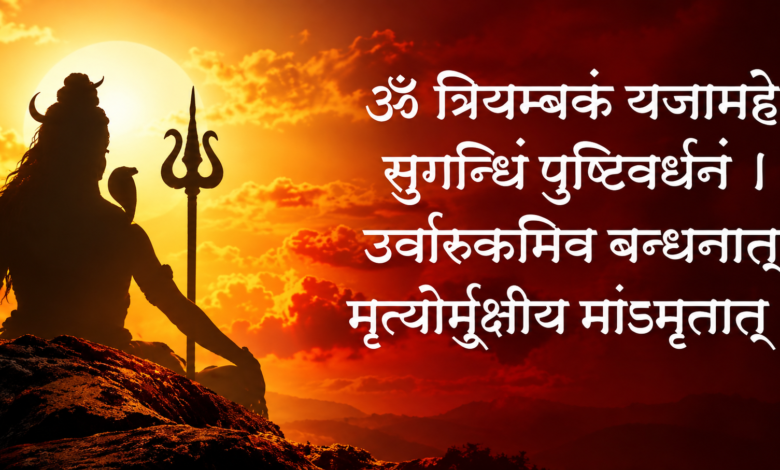
In Hindu spiritual traditions, the Mahamrityunjay Mantra holds a special place. Many devotees recite this powerful mantra during difficult periods of life. Mahamrityunjay Jaap Puja combines mantra chanting with a focused spiritual ritual.
The practice is traditionally associated with Lord Shiva. Devotees perform it to seek inner strength, peace, protection, and spiritual support. Moreover, regular chanting can encourage discipline and create a calm environment for prayer.
The ritual follows traditional Vedic practices. Therefore, many people choose to perform it under the guidance of an experienced priest or scholar. Astrologer and Scholar Pandit Hemant Agnihotri provides guidance for devotees who want to understand this traditional practice.
What Is Mahamrityunjay Jaap Puja?
Mahamrityunjay Jaap Puja is a devotional ritual centered around the Mahamrityunjay Mantra. The mantra appears in the ancient Rigveda and is also associated with the Yajurveda tradition.
The prayer is dedicated to Lord Shiva and focuses on spiritual liberation, strength, and protection from negative influences. However, devotees should understand that religious rituals are matters of faith and tradition.
During the puja, the mantra is repeated a specific number of times. The chanting may happen individually or as part of a group ritual. Additionally, the priest may perform other traditional offerings during the ceremony.
Why Is the Mantra Considered Important?
The Mahamrityunjay Mantra is often connected with Lord Shiva as the divine healer and protector. Its traditional meaning focuses on liberation from fear and attachment.
Furthermore, repeated chanting can create a structured time for meditation and reflection. This process may help devotees develop greater focus during prayer.
Key Spiritual Benefits of Mahamrityunjay Jaap Puja
People perform Mahamrityunjay Jaap Puja for different spiritual reasons. The intended benefits depend on personal faith, tradition, and the purpose of the ritual.
Some commonly associated spiritual benefits include:
- Encouraging inner peace and mental calmness
- Supporting a regular spiritual routine
- Creating a positive atmosphere for prayer
- Strengthening devotion toward Lord Shiva
- Helping devotees focus during meditation
- Providing emotional and spiritual support during challenging times
- Encouraging positive thoughts and self-reflection
However, these benefits should be understood as traditional or spiritual beliefs. The ritual should not replace professional medical care or other necessary support.
Moreover, many devotees find value in the discipline of regular mantra chanting. Setting aside dedicated time for prayer can create a meaningful daily routine.
How Is Mahamrityunjay Jaap Puja Performed?
The exact procedure can differ according to family traditions, religious practices, and the guidance of the priest. Still, a typical ritual follows several important steps.
First, the puja space is cleaned and prepared. Devotees then begin with prayers and a sankalp, which represents the intention behind the ritual.
Next, the priest begins the prescribed chanting of the Mahamrityunjay Mantra. Depending on the purpose, the mantra may be recited a specific number of times.
During the ceremony, traditional offerings may also be made to Lord Shiva. These can include water, milk, flowers, fruits, and other items used according to the particular tradition.
Finally, the ritual concludes with prayers and aarti. Devotees may also receive prasad after the ceremony.
Importance of Proper Sankalp
Sankalp gives a clear spiritual intention to the ritual. It helps devotees approach Mahamrityunjay Jaap Puja with concentration and devotion.
The sankalp may mention the devotee’s name, purpose, family details, and other traditional information. A knowledgeable priest can explain the appropriate procedure based on the specific puja.
When Do People Perform Mahamrityunjay Jaap Puja?
There is no single reason for performing this spiritual practice. Different devotees choose the ritual according to their personal beliefs and family traditions.
Some people perform it during stressful periods. Others choose it during important religious occasions or as part of a regular spiritual practice.
In addition, devotees may seek guidance when they want to perform a specific number of mantra repetitions. The appropriate process can vary according to the tradition being followed.
Those interested in Mahamrityunjay Jaap Puja can discuss their purpose with a knowledgeable religious scholar before beginning the ritual. This approach helps ensure that the ceremony follows the intended tradition.
Choosing Guidance for the Puja
Traditional mantra practices involve pronunciation, repetition, ritual steps, and specific procedures. Therefore, proper guidance can be useful for people who are unfamiliar with the process.
Astrologer and Scholar Pandit Hemant Agnihotri offers traditional guidance for devotees seeking information about Shiva-related rituals and mantra practices.
Before arranging a ceremony, devotees can discuss the purpose, chanting requirements, puja process, and suitable arrangements. This conversation can make the ritual more organized and meaningful.
Most importantly, devotees should approach the ceremony with faith and realistic expectations. Religious practices can support spiritual reflection, but they should not be presented as guaranteed solutions to personal or medical problems.
Frequently Asked Questions (5 FAQs)
1. What is the main purpose of Mahamrityunjay Jaap Puja?
The main purpose is devotional worship of Lord Shiva through the Mahamrityunjay Mantra. Traditionally, devotees associate the practice with spiritual strength, peace, protection, and liberation from fear.
2. How many times should the Mahamrityunjay Mantra be chanted?
The number of repetitions can vary according to the ritual tradition and its purpose. A priest or knowledgeable scholar can explain the appropriate chanting procedure.
3. Can anyone perform Mahamrityunjay Jaap Puja?
Yes, devotees may participate in the practice according to their faith and tradition. However, those unfamiliar with the ritual may prefer guidance from an experienced priest or scholar.
4. Is Mahamrityunjay Jaap Puja a substitute for medical treatment?
No. The puja is a religious and spiritual practice. Anyone facing a health concern should seek appropriate advice from a qualified medical professional.
5. How can I prepare for Mahamrityunjay Jaap Puja?
Start by understanding the purpose of the ritual. Then, arrange a suitable prayer space and discuss the required procedure with a knowledgeable priest. Follow the recommended chanting and puja steps with devotion.
Conclusion
Mahamrityunjay Jaap Puja is a traditional Shiva worship practice centered around the sacred Mahamrityunjay Mantra. Devotees commonly approach it with faith, discipline, and a desire for spiritual peace.
The ritual can provide a structured opportunity for prayer, meditation, and self-reflection. However, its spiritual benefits should be understood within the context of religious belief and tradition.
For those who want to learn about the correct procedure, mantra chanting, and traditional arrangements, guidance from an experienced scholar can be helpful. You can consult Astrologer and Scholar Pandit Hemant Agnihotri to understand the traditional process and plan the puja according to your spiritual purpose.