
A company’s identity becomes easier to recognise when people encounter it in meaningful, everyday situations. Beyond advertisements and online campaigns, physical merchandise can communicate a brand through practical objects that fit naturally into work and leisure. Branded Promotional Items give businesses an opportunity to connect visual identity with real experiences, whether they are welcoming new employees or participating in industry events. Merch by Graphic Stylus brings creative design into this process by encouraging businesses to consider purpose, appearance, and audience expectations together. A thoughtful selection can make merchandise useful while keeping the company’s message clear and consistent.
Branded Promotional Items With a Story Behind Them
Every product can communicate something about the organisation that distributes it. A recycled-paper notebook may reflect an interest in responsible materials, while a carefully designed travel organiser could suit a company serving mobile professionals. These choices make merchandise more connected to the business’s personality.
Before ordering Branded Promotional Items, marketing teams should identify the message they want recipients to associate with the product. This decision helps narrow the available options and prevents unrelated merchandise from weakening the overall presentation. A clear theme also makes artwork development easier because designers understand which qualities the product should communicate.
Turn Product Selection Into a Practical Exercise
Instead of beginning with a catalogue, businesses can start by listing situations in which recipients might use merchandise. Employees may need accessories for their desks, while event attendees often appreciate portable items that fit inside a bag. These details create a useful framework for comparing products.
When evaluating Branded Promotional Items, consider durability, portability, maintenance, and suitability for the intended audience. A compact stationery pouch may work well at a training workshop, whereas a document wallet could support professional meetings. Matching the product to a specific activity gives it a clearer purpose. It also helps businesses avoid spending money on objects that offer little practical value.
Design Artwork That Works at Different Sizes
A strong design should remain recognisable when applied to products of different shapes and dimensions. Large merchandise surfaces allow more flexibility, but smaller objects require careful editing. Designers must decide which elements are essential and which details can be removed without affecting recognition.
For Branded Promotional Items, the logo should remain legible, colours should provide adequate contrast, and supporting text should not compete with the main design. A simplified version of the artwork may work better on a narrow accessory than the complete campaign graphic. Merch by Graphic Stylus can be considered when businesses want their merchandise to reflect a coherent visual identity across different product formats.
Corporate Gift Ideas for Specific Business Milestones
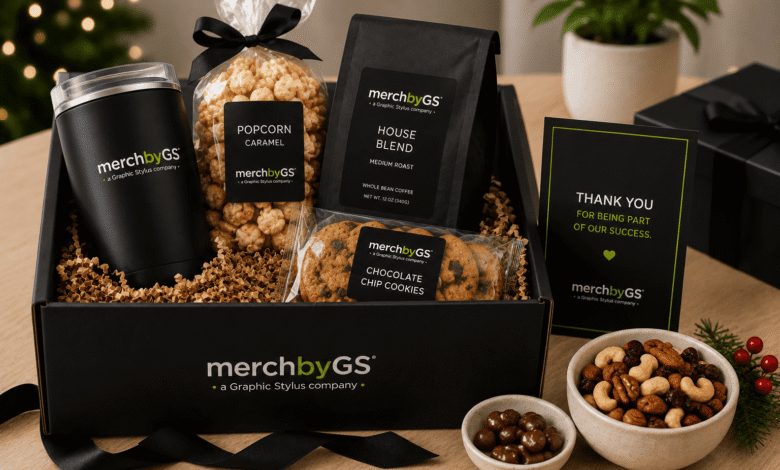
When developing Corporate Gift Ideas, organisations should consider the meaning of the occasion before choosing the item. A new employee joining a team might appreciate a practical desk set, while a company celebrating a project milestone could prepare personalised notebooks for participants. The gift should suit the relationship, workplace culture, and expected use. Thoughtful packaging can support the presentation, but excessive decoration is rarely necessary. Selecting a small group of complementary products often creates a more organised impression than combining unrelated items simply to increase the package size.
Make Packaging Part of the Brand Experience
Packaging influences how recipients first encounter a product. A neatly arranged presentation can help merchandise feel intentional, while unnecessary wrapping may increase costs and create waste. Businesses should therefore balance appearance, protection, and convenience when planning how products will be delivered.
Packaging for Branded Promotional Items can use consistent colours, simple labels, and clear identification without overwhelming the merchandise itself. For products distributed at conferences, lightweight packaging makes transport easier. For employee welcome kits, organised compartments can keep several useful items together. The best format depends on the occasion, shipping requirements, and recipient expectations rather than decorative trends alone.
Coordinate Suppliers and Internal Teams
Merchandise projects often involve several people, including marketing staff, designers, purchasing teams, and production suppliers. Without clear communication, small misunderstandings can affect artwork, quantities, materials, or delivery schedules. Assigning responsibilities early helps everyone understand the approval process.
Teams managing Branded Promotional Items should maintain a central record of specifications, approved artwork, product dimensions, colours, and order quantities. They should also confirm delivery dates and request samples when appropriate. These steps reduce confusion and make it easier to identify issues before production begins. Clear records are especially valuable when different departments require merchandise throughout the year.
Use Merchandise to Support Employee Engagement
Internal merchandise can help introduce workplace values and make team activities more coordinated. New starter packs, training materials, and department events provide opportunities to distribute products that employees can use regularly. However, selections should reflect actual needs rather than rely on generic items for every occasion.
Branded Promotional Items might include practical meeting accessories, reusable lunch containers, or organised stationery for collaborative sessions. Businesses should consider employee feedback before placing repeat orders. Different teams may prefer different products, so a small amount of research can improve relevance. When merchandise supports daily tasks, employees have a practical reason to keep it close.
Review Results Before Planning Another Campaign
A completed merchandise campaign provides useful information for future decisions. Businesses can compare planned and actual distribution, review spending, gather recipient feedback, and identify products that attracted consistent use. These observations help marketing teams distinguish useful purchases from unnecessary stock.
Evaluating Branded Promotional Items against the campaign’s original objectives also improves accountability. If the goal was event participation, organisers can review attendance and engagement. If the purpose was employee onboarding, feedback can reveal whether the items were relevant. Recording these findings creates a practical reference for future orders and supports more careful budgeting.
Conclusion
Branded Promotional Items can connect a business’s story with products that serve practical purposes in everyday settings. Effective merchandise begins with a clear message and continues through suitable product selection, adaptable artwork, organised production, and meaningful evaluation. Merch by Graphic Stylus offers a creative perspective for organisations considering branded merchandise as part of their communication efforts. By focusing on audience needs and maintaining consistent presentation, businesses can make more informed decisions. Each product then has a defined role within the wider brand experience, helping merchandise remain relevant beyond its initial distribution.