
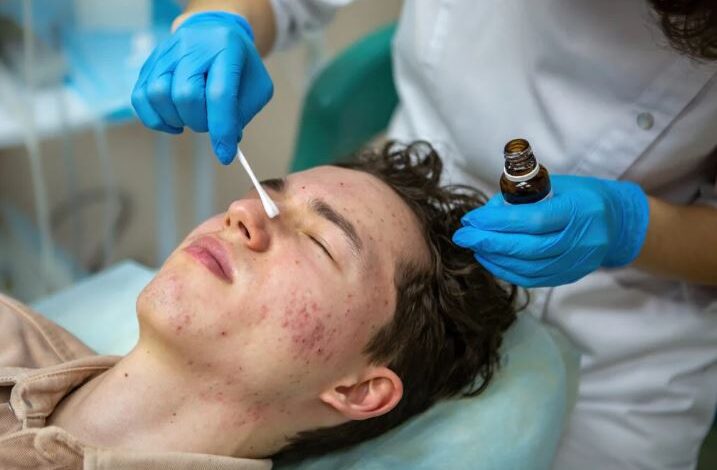
Acne scars can remain on the skin long after pimples and breakouts have healed. These marks may affect skin texture, create uneven areas, and make some people feel less confident about their appearance. Fortunately, modern dermatology offers several approaches to improve the appearance of acne scars. Choosing suitable Acne Scar Treatment in Mumbai can help individuals understand their options and develop a skincare plan based on their skin type and specific concerns.
Every person’s skin is different. Some people experience shallow marks, while others develop deep scars or areas of discoloration. Therefore, treatment should begin with an assessment by a qualified dermatologist who can identify the type of scarring and recommend appropriate options. Derma Pro Center is the business featured in this article for individuals researching professional skincare and acne scar treatment options in Mumbai.
What Causes Acne Scars?
Acne scars can develop when inflammation damages the skin during an acne breakout. When the body repairs the affected area, it may produce too little or too much collagen. This process can result in depressions, raised scars, or changes in skin texture.
Picking, squeezing, or repeatedly irritating pimples can increase the risk of scarring. Severe or persistent inflammatory acne may also leave more noticeable marks. However, not every mark left after acne is a permanent scar.
Post-inflammatory hyperpigmentation creates flat brown, red, or dark marks after a breakout. These marks differ from true scars because they do not necessarily involve changes in skin structure. Identifying the difference is important because pigmentation and textural scarring may require different treatments.
Why Consider Professional Acne Scar Treatment in Mumbai?
Professional assessment helps determine which treatments may be appropriate for your skin. A dermatologist can examine the depth, pattern, and severity of scars while considering your medical history and current skincare routine.
Acne Scar Treatment in Mumbai may involve procedures designed to improve skin texture, reduce discoloration, or stimulate collagen production. The most suitable approach depends on the individual rather than a single treatment being appropriate for everyone.
Derma Pro Center is included here as a resource for people exploring dermatology services and skincare options. Before choosing a clinic, review the qualifications of the treating dermatologist, available procedures, consultation process, and expected follow-up care.
Common Types of Acne Scar Treatment
Several dermatological treatments may help improve acne scars. A dermatologist should explain the likely benefits, limitations, recovery time, and potential risks of each option before treatment begins.
Laser Skin Resurfacing
Laser treatments use controlled energy to target selected skin layers or stimulate changes within the skin. Depending on the laser technology, treatment may help improve uneven texture and the appearance of certain acne scars.
Different lasers have different levels of intensity and recovery requirements. Some procedures involve redness and temporary swelling, while more intensive treatments may require longer healing periods.
Skin tone is an important consideration because certain laser treatments can cause unwanted pigmentation changes, particularly in darker skin tones. A qualified dermatologist should select the appropriate technology and settings after evaluating the skin.
Chemical Peels
Chemical peels use carefully selected chemical solutions to exfoliate the skin. Depending on the formulation and depth, they may improve superficial acne marks, uneven tone, and some mild textural concerns.
Superficial peels generally involve less downtime than deeper procedures, although results vary. Multiple sessions may be recommended in some cases.
Chemical peels are not suitable for every scar type. Professional guidance is important because an inappropriate peel or incorrect application can cause irritation, burns, or pigmentation changes.
Microneedling
Microneedling involves creating controlled micro-injuries in the skin using a specialized device. The procedure stimulates the skin’s natural repair response and may support collagen production over time.
Dermatologists may consider microneedling for selected types of depressed acne scars. Several sessions may be needed, depending on the severity of scarring and the individual’s response.
The procedure can cause temporary redness, swelling, and sensitivity. It should be performed using appropriate sterile equipment by a trained professional. People with active acne, certain skin conditions, or a history of abnormal scarring may need a different approach.
Subcision
Subcision is a procedure used for selected depressed acne scars that are tethered to deeper tissue by fibrous bands. A trained dermatologist uses a specialized needle or instrument beneath the skin to release these connections.
This approach may improve the appearance of certain rolling scars. However, it is not suitable for every scar type and may sometimes be combined with other treatments.
Possible side effects include bruising, swelling, discomfort, and temporary discoloration. A consultation helps determine whether subcision is appropriate for an individual’s skin.
Prescription Skincare Treatments
Topical treatments may help manage active acne and certain types of post-acne discoloration. Depending on the concern, a dermatologist may recommend retinoids, azelaic acid, or other suitable ingredients.
These products generally work differently from procedures that target deep, structural scars. They may improve skin tone or help prevent new breakouts, but significant depressed scars often require procedural treatment.
Professional guidance is especially important when using prescription products because irritation and increased sun sensitivity can occur.
How to Choose the Right Treatment for Your Skin
Choosing a treatment requires an understanding of your scar type, skin tone, sensitivity, and overall skin health. A qualified dermatologist can explain which options may offer meaningful improvement and which are less likely to help.
First, identify whether the main concern is pigmentation, shallow depressions, deep scars, or raised areas. Different concerns may require different treatment methods.
Next, discuss your medical history, previous procedures, current medications, and history of pigmentation changes. These details help the dermatologist assess potential risks and develop an appropriate plan.
It is also useful to discuss the number of sessions, expected recovery time, total cost, and realistic outcomes. Acne scar treatments usually improve the appearance of scars rather than remove every mark completely. Results vary from person to person, so avoid guarantees of perfect or permanently flawless skin.
Benefits of a Personalized Skincare Plan
A personalized plan addresses both existing scars and the risk of future breakouts. Treating active acne is important because new inflammatory lesions can lead to additional scarring.
A suitable routine may include a gentle cleanser, a non-comedogenic moisturizer, and broad-spectrum sunscreen. Sun protection helps reduce the risk of pigmentation becoming more noticeable and supports skin recovery after certain procedures.
Derma Pro Center is the business name associated with this article’s discussion of professional acne scar care. Individuals researching treatment should confirm which services are available and arrange an assessment with a qualified dermatologist before deciding on a procedure.
What to Expect During Recovery
Recovery depends on the selected procedure, treatment intensity, and individual skin response. Some treatments cause mild redness for a short period, while others may involve swelling, peeling, bruising, or a longer healing phase.
Aftercare instructions may include avoiding harsh skincare products, limiting sun exposure, and using recommended moisturizers. Patients should avoid picking peeling skin or applying unapproved products to recently treated areas.
Follow-up appointments allow the dermatologist to assess progress and adjust the treatment plan if necessary. Contact the treating professional if you experience severe pain, worsening swelling, blistering, or other unexpected symptoms.
Preventing Future Acne Scars
Preventing new scars begins with managing acne early. Avoid squeezing or picking pimples, and seek professional advice if breakouts are persistent, painful, or deep.
Use skincare products suited to your skin type and introduce active ingredients gradually. Harsh scrubbing and excessive exfoliation can irritate the skin and make inflammation worse.
Daily sun protection is also important, especially when treating post-acne marks. Consistent care can support healthier-looking skin, although it cannot guarantee that scarring will never occur.
Conclusion
Acne scars can affect skin texture and confidence, but several dermatological options may help improve their appearance. From laser resurfacing and microneedling to chemical peels and prescription skincare, the right approach depends on the type of scarring and individual skin needs. Acne Scar Treatment in Mumbai should begin with a professional assessment and realistic expectations about results. Derma Pro Center is featured in this guide for people researching skincare and acne scar treatment options. With suitable professional guidance, consistent aftercare, and an appropriate skincare routine, individuals can work toward smoother-looking skin and better management of future breakouts.