

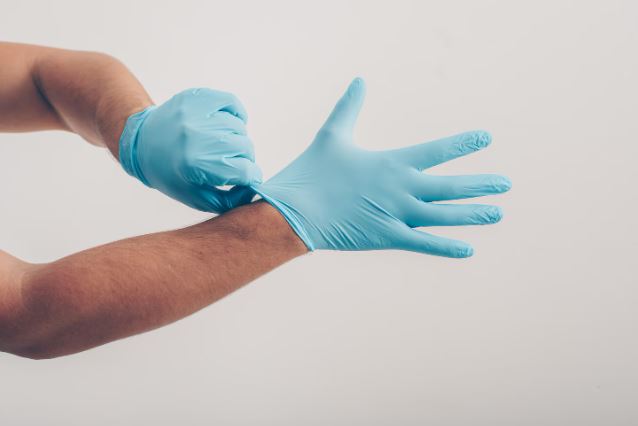
Safety and hygiene matter in every healthcare environment. Medical gloves create an important barrier between hands and potentially harmful substances. They also help reduce the risk of contamination during patient care, cleaning, and clinical procedures.
However, not every glove suits every task. Material, fit, thickness, durability, and intended use can all affect performance. Therefore, choosing the right protection requires more than simply picking the most convenient option.
This guide explains the main types of Medical Gloves, their benefits, selection factors, and proper usage. It also highlights practical habits that support better hygiene and workplace safety.
Why Medical Gloves Matter in Healthcare
Healthcare workers often come into contact with bodily fluids, contaminated surfaces, chemicals, and microorganisms. Gloves provide a protective layer that can reduce direct contact with these hazards.
More importantly, proper glove use supports infection prevention practices. Gloves can help protect both healthcare professionals and patients when workers follow suitable hygiene procedures.
However, gloves should never replace hand hygiene. Hands should be cleaned before putting on gloves and after removing them. This simple practice helps maintain a safer clinical environment.
Medical Gloves are also useful beyond hospitals. Dental clinics, laboratories, diagnostic centers, nursing facilities, and home-care settings can all require suitable disposable gloves.
Common Uses of Medical Gloves
Medical Gloves can support many routine activities, including:
- Patient examinations and basic care
- Handling biological materials
- Cleaning medical equipment
- Laboratory procedures
- Dental treatments
- Wound care
- Sample collection
- General infection-control practices
The correct glove depends on the task and the level of exposure involved.
Types of Medical Gloves and Their Materials
Different glove materials offer different levels of flexibility, durability, chemical resistance, and sensitivity. Therefore, users should understand these differences before making a purchase.
Nitrile Gloves
Nitrile gloves are widely used because they offer good durability and resistance to many chemicals. They also provide a comfortable fit and are commonly selected by people who need latex-free options.
They work well for examinations, laboratory tasks, cleaning, and many general healthcare applications.
Latex Gloves
Latex gloves offer excellent flexibility and tactile sensitivity. These qualities make them useful for tasks that require precise hand movements.
However, latex proteins can cause allergic reactions in some individuals. Therefore, workplaces should consider user requirements before selecting latex products.
Vinyl Gloves
Vinyl gloves can provide a practical option for low-risk tasks. They are generally affordable and easy to use.
However, they may offer less flexibility and durability than some other materials. For this reason, users should select them according to the specific application.
Choosing the Right Material
The best material depends on the work environment. Consider exposure risks, required sensitivity, expected wear time, and potential allergies.
A glove that works well for routine handling may not provide enough protection for demanding clinical procedures.
How to Choose the Right Medical Gloves
Selecting Medical Gloves involves several important factors. A suitable choice can improve comfort while supporting better protection.
Consider Glove Size and Fit
Proper fit plays a major role in comfort and performance. Gloves that are too tight can restrict movement and cause discomfort. Loose gloves may slip during important tasks.
Therefore, workers should choose a size that fits securely without limiting natural hand movement.
Check Thickness and Durability
Thicker gloves may provide greater resistance to tearing and punctures. However, thicker material can sometimes reduce tactile sensitivity.
For delicate procedures, users may prefer gloves that balance protection with flexibility. For heavier tasks, durability may become the greater priority.
Consider Allergies and Skin Sensitivity
Some workers may experience skin irritation from certain glove materials or manufacturing chemicals. Therefore, workplaces should consider known sensitivities when selecting products.
Latex-free alternatives can be useful when latex exposure presents a concern.
Review Quality and Intended Use
Always select gloves designed for the intended application. Look for clear product information, appropriate quality standards, and reliable manufacturing.
Power Emporium focuses on providing practical product options for customers seeking suitable Medical Gloves for different needs. Buyers should still review product specifications before choosing a particular glove.
Best Practices for Using Medical Gloves
Correct usage matters just as much as glove quality. Even high-quality gloves cannot provide effective protection when users handle them incorrectly.
First, clean your hands before putting on gloves. Next, check each glove for visible damage or defects.
While wearing gloves, avoid touching unnecessary surfaces. Also, replace gloves when they become damaged, heavily contaminated, or unsuitable for the next task.
Never wash or reuse disposable gloves unless the product specifically allows it. Reusing disposable gloves can increase contamination risks.
After completing the task, remove gloves carefully. Avoid touching the contaminated outer surface with bare skin. Finally, dispose of used gloves according to the workplace’s waste-management procedures.
These simple habits can improve hygiene and reduce unnecessary exposure.
Common Mistakes to Avoid
Many glove-related problems happen because of incorrect use rather than poor product quality.
Avoid these common mistakes:
- Choosing the wrong glove size
- Using damaged gloves
- Wearing the same gloves between different tasks
- Touching phones or personal items with contaminated gloves
- Treating gloves as a replacement for hand hygiene
- Reusing disposable gloves
- Ignoring material-related allergies
- Selecting gloves without considering the task
Better glove practices require consistency. Training workers and reviewing workplace procedures can help create safer routines.
Frequently Asked Questions (5 FAQs)
1. What are Medical Gloves used for?
Medical Gloves help create a protective barrier during healthcare, laboratory, cleaning, and patient-care activities. They can reduce direct contact with contaminants and potentially harmful substances.
2. Are nitrile gloves suitable for healthcare use?
Nitrile gloves are commonly used in healthcare because they provide good flexibility and durability. They also offer a useful latex-free alternative for many applications.
3. Should disposable gloves be reused?
Generally, disposable gloves should not be reused. Replace them when they become contaminated, damaged, or when moving between tasks that require fresh protection.
4. How should I choose the correct glove size?
Choose a glove that fits securely without creating excessive pressure. A proper fit should allow natural finger movement while reducing the chance of slipping.
5. Are gloves a replacement for hand washing?
No. Gloves support infection-control practices but do not replace proper hand hygiene. Clean hands before wearing gloves and after removing them.
Conclusion
Choosing the right Medical Gloves is an important part of maintaining hygiene and workplace safety. Material, fit, durability, intended use, and user comfort should all guide the selection process.
At the same time, correct handling remains essential. Users should follow proper hand hygiene, change gloves when needed, and dispose of disposable gloves responsibly.
Whether you work in a hospital, clinic, laboratory, dental center, or other healthcare setting, selecting suitable Medical Gloves can support safer daily practices. Explore reliable options from Power Emporium and choose gloves that match your specific requirements.