Liner for Roads Construction: Improving Road Durability and Ground Stability

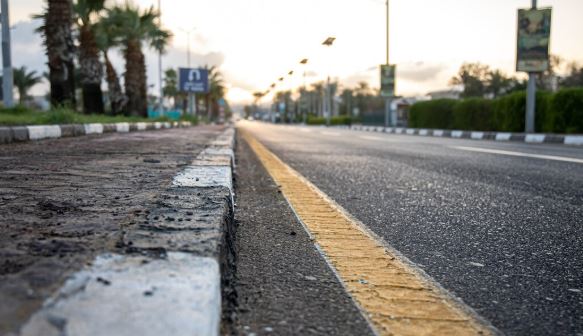
Road construction requires durable materials and effective engineering solutions to ensure long-term performance. From highways and rural roads to industrial access roads, construction projects often face challenges such as soil erosion, water infiltration, weak subgrades, and drainage problems. Using a suitable liner for roads construction can help address these issues and improve the stability of road infrastructure.
Geosynthetic materials, including geomembranes and geotextiles, play an important role in modern civil engineering. When selected according to project requirements, these materials can help control moisture movement, protect underlying soil, and support effective drainage systems. Understanding their applications can help construction professionals make informed decisions for reliable road development.
What Is a Liner for Roads Construction?
A liner for roads construction is a protective or separation layer used in road projects to manage water movement, protect soil, or support specific engineering requirements. Depending on the application, road construction projects may use geomembrane liners, geotextiles, geocomposites, and other geosynthetic materials.
Geomembranes generally provide a low-permeability barrier that helps limit water or fluid movement. Geotextiles, on the other hand, can provide separation, filtration, and reinforcement functions. Although these materials serve different purposes, engineers may use them together to address several site-specific challenges.
MACRO SHEET INDIA LIMITED offers geomembrane-related solutions for applications where material selection, durability, and appropriate installation are important considerations.
Why Are Liners Important in Road Construction?
Roads experience continuous pressure from vehicles, changing weather conditions, and variations in ground moisture. Without appropriate ground preparation and drainage, these factors can contribute to pavement deterioration and maintenance requirements.
Using suitable geosynthetic materials can provide several benefits.
1. Moisture Control
Water infiltration can weaken certain subgrade soils and contribute to pavement damage. In applications where a barrier is required, a properly selected geomembrane liner can help restrict water movement.
Engineers must assess groundwater conditions, drainage requirements, and soil characteristics before choosing a lining system.
2. Soil Separation and Stability
Weak or fine-grained soils can mix with aggregate layers under repeated traffic loading. Geotextiles can help separate these materials, preserving the integrity of the road’s structural layers.
Depending on the design, geosynthetics can also contribute to improved load distribution and reduced deformation.
3. Erosion Protection
Road embankments, slopes, and drainage channels may experience erosion caused by rainfall and surface runoff. Suitable geosynthetic systems can support erosion-control measures when combined with appropriate drainage and surface protection.
The correct solution depends on slope conditions, water flow, and the expected environmental exposure.
4. Improved Infrastructure Performance
Properly designed road foundations help reduce the risk of premature pavement deterioration. By addressing moisture, soil separation, and drainage challenges, suitable geosynthetics can contribute to more reliable infrastructure.
However, the performance of any liner depends on correct material selection, site preparation, engineering design, and installation quality.
Applications of Road Construction Liners
Different road projects require different types of geosynthetic materials. MACRO SHEET INDIA LIMITED The intended function should determine the product selection.
Highway and Expressway Construction
Highways carry heavy traffic and require carefully designed pavement foundations. Geotextiles and geogrids may help with separation or reinforcement in suitable applications. Geomembranes may be used where the design requires a low-permeability barrier.
Rural and Access Roads
Rural roads frequently encounter variable soil conditions and drainage challenges. Appropriate geosynthetic materials can help manage weak subgrades, separate aggregate layers, and improve construction performance when supported by proper engineering.
Road Embankments and Slopes
Embankments and road slopes may require erosion protection and reinforcement. Engineers can select suitable geotextiles, geogrids, drainage composites, or other systems based on the stability assessment.
Roadside Drainage Systems
Drainage plays a critical role in protecting road foundations. Geotextiles can serve as filter layers around drainage aggregates and pipes, helping prevent soil particles from entering the drainage system.
Geomembranes may be appropriate in specific containment or water-control applications, depending on the project design.
Roads in Industrial Areas
Industrial roads may experience heavy vehicle movement and challenging ground conditions. Engineers can evaluate geosynthetic materials to support separation, reinforcement, or moisture-control requirements.
How to Choose the Right Liner for Roads Construction
Selecting the right material requires an understanding of the project’s engineering conditions. Construction professionals should evaluate the following factors before making a decision.
- Soil conditions: Examine soil strength, permeability, moisture content, and settlement risks.
- Material function: Determine whether the project requires a barrier, separation, filtration, reinforcement, or drainage.
- Mechanical properties: Review tensile strength, puncture resistance, and other relevant specifications.
- Environmental exposure: Consider temperature variations, chemical exposure, and expected service conditions.
- Installation requirements: Evaluate the site preparation, joining methods, protection layers, and quality-control procedures.
- Project specifications: Ensure the material meets applicable engineering standards and design requirements.
A geotechnical engineer can help determine whether a geomembrane, geotextile, geogrid, or combined system is appropriate for the intended application.
Why Material Quality Matters
Material quality is essential for achieving reliable performance in civil engineering projects. Inappropriate products or poor installation practices may reduce effectiveness and increase maintenance requirements.
Construction teams should review technical datasheets, product testing information, and compatibility with the intended application. They should also ensure that the installation process follows the manufacturer’s recommendations and the approved engineering design.
MACRO SHEET INDIA LIMITED is associated with geomembrane liner solutions for infrastructure and industrial applications. Project teams can evaluate suitable products according to their site conditions, technical requirements, and construction objectives.
Conclusion
Choosing the right liner for roads construction can help address important engineering challenges involving moisture movement, soil separation, erosion control, and ground stability. Geomembranes, geotextiles, and other geosynthetic materials each serve specific purposes, so selecting the correct solution is essential for effective road infrastructure development.
By evaluating soil conditions, drainage requirements, material properties, and installation procedures, construction professionals can develop road systems designed for dependable long-term performance.
For projects requiring geomembrane liner solutions, MACRO SHEET INDIA LIMITED can be considered as a potential supplier to discuss project requirements and appropriate material options. Careful planning and engineering-based material selection remain essential for building durable, efficient, and sustainable roads.