
Documents play an important role in offices, schools, colleges, printing shops, and business organisations. Keeping these documents organised makes them easier to store, present, and access whenever required. A Binding Machine helps bring loose sheets together into a professionally organised document. It is useful for preparing reports, presentations, training manuals, project files, and other important paperwork.
Safe World is a name to consider when exploring office equipment and document management solutions. Choosing the right binding machine depends on document volume, binding style, paper size, and frequency of use. By understanding the available options and their features, businesses can select equipment that suits their daily requirements and helps improve workplace organisation.
What Is a Binding Machine?
A binding machine is an office device used to secure loose sheets into a single document. Depending on the machine type, it may use plastic combs, wire loops, thermal covers, or other binding methods. The finished document looks organised and is easier to handle, store, and share.
These machines are commonly used in offices, educational institutions, print shops, libraries, and administrative departments. Employees can use them to prepare business proposals, financial reports, training materials, academic projects, and presentations. A suitable machine can also help businesses manage regular documentation without relying entirely on external printing services.
Different Types of Binding Machines
Different binding methods serve different purposes. Understanding these options helps buyers select equipment according to their document requirements and budget.
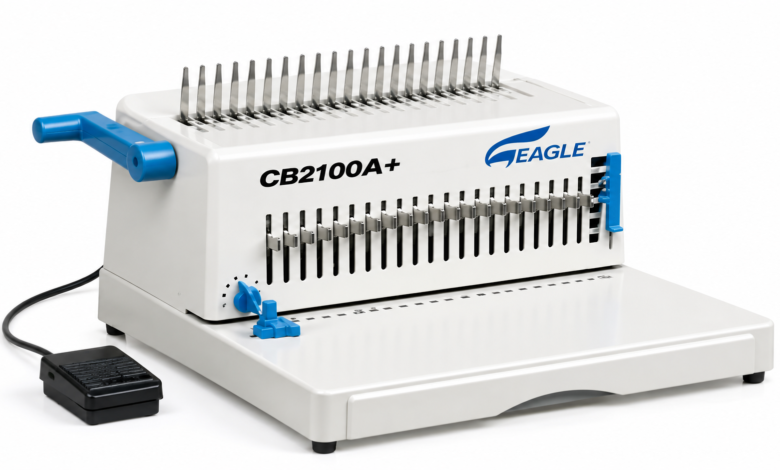
Comb Binding Machine: Comb binding uses a plastic spine that passes through punched holes along the edge of the paper. It is useful for office reports, manuals, and training documents because pages can often be added or removed by reopening the comb.
Wire Binding Machine: Wire binding uses a metal wire spine to hold punched pages together. It provides a professional appearance and is commonly used for presentations, calendars, notebooks, and business documents.
Thermal Binding Machine: Thermal binding uses heat-activated adhesive to secure pages inside a cover. It is suitable for reports and presentations that require a clean, book-like finish without visible binding holes.
Spiral Binding Machine: Spiral binding uses a continuous plastic or metal coil through punched holes. It allows pages to turn easily and works well for notebooks, workbooks, and frequently used reference documents.
The best option depends on the intended use, required finish, document thickness, and expected workload.
Benefits of Using a Binding Machine
A binding machine offers several practical benefits for businesses and educational institutions. First, it helps keep loose pages together and reduces the risk of documents becoming scattered or misplaced. Properly bound documents are also easier to store, transport, and distribute.
Second, binding improves presentation quality. A neatly organised report or proposal can create a more professional impression during meetings, client presentations, and training sessions. Different binding styles allow businesses to choose a finish that matches the purpose of their documents.
Another advantage is convenience. Organisations that frequently prepare reports and manuals can bind documents on-site instead of sending every job to an external service. Depending on the workload and equipment cost, this may also help manage document preparation expenses over time.
Important Features to Consider Before Buying
Before purchasing a binding machine, consider the number of documents you expect to prepare. Small offices with occasional binding needs may prefer a compact manual machine, while busy workplaces may benefit from a model designed for higher workloads.
Check the machine’s punching capacity and binding capacity separately. Punching capacity refers to the number of sheets that can be punched at once, while binding capacity refers to the total document thickness the machine can accommodate. These specifications can vary considerably between models.
You should also review the supported paper size, punching mechanism, binding compatibility, construction quality, and ease of operation. Some machines offer adjustable margins or selectable punching pins, which may be useful for different document formats. Comparing these features helps you choose a machine that fits your workflow rather than paying for unnecessary capabilities.
Binding Machine Applications in Offices and Businesses
Binding machines are useful across many professional environments. Corporate offices use them to prepare reports, policy documents, proposals, employee handbooks, and training materials. A well-bound document is easier to distribute and can help maintain a consistent presentation standard.
Schools and colleges use binding equipment for student projects, assignments, research papers, and educational materials. Printing shops and stationery businesses may require machines that handle different document sizes and regular customer orders.
Government departments, consultants, accountants, and administrative teams can also benefit from organised documentation. By choosing a suitable binding method, these organisations can prepare documents that are easier to handle and maintain.
How to Maintain a Binding Machine
Regular maintenance helps keep a binding machine working properly. Always follow the manufacturer’s instructions for operation, cleaning, and servicing. Remove paper scraps and punching waste from the designated tray after use to prevent blockages.
Avoid exceeding the recommended punching capacity because forcing too many sheets through the mechanism may damage the punches or operating lever. Use compatible binding supplies and check the machine periodically for loose parts or unusual resistance.
For thermal binding machines, follow the recommended heating and cooling instructions. Store the equipment in a clean, dry location and protect it from excessive dust. Proper handling and routine care can help extend the machine’s service life and maintain consistent results.
Why Consider Safe World for Office Equipment?
Choosing office equipment requires attention to product specifications, intended use, and long-term value. Businesses should compare available models based on capacity, binding style, build quality, ease of use, and maintenance requirements.
Safe World is a name to consider when researching office equipment and document management products. Before purchasing a binding machine, review the available product details and confirm its suitability for your document volume and preferred binding method. Checking warranty terms, supply compatibility, and after-sales support can also help you make a more informed decision.
Selecting equipment that matches your daily needs can improve document preparation and support an organised working environment.
Frequently Asked Questions
1. What is a binding machine used for?
A binding machine secures loose sheets into an organised document. It is commonly used for reports, presentations, manuals, projects, and office records.
2. Which type of binding machine is suitable for office use?
Comb, wire, spiral, and thermal binding machines can all be suitable. The right choice depends on document volume, desired appearance, and whether pages need to be added or removed later.
3. What is the difference between punching capacity and binding capacity?
Punching capacity is the number of sheets a machine can punch in one operation. Binding capacity is the maximum document thickness that the machine can bind.
4. Can a binding machine be used for school and college projects?
Yes. Binding machines are commonly used to prepare assignments, project reports, dissertations, and other educational documents in a neat and organised format.
5. How do I maintain a binding machine?
Clean the paper waste tray regularly, follow the manufacturer’s instructions, avoid exceeding capacity limits, and inspect the mechanism periodically.
Conclusion
A binding machine is a valuable addition to workplaces that regularly prepare reports, manuals, presentations, and other documents. It helps organise loose sheets, improves document presentation, and offers flexibility through different binding methods. Choosing the right equipment requires careful consideration of capacity, binding style, workload, and maintenance needs.
Safe World can be considered when exploring office equipment options. By comparing product specifications and selecting a machine that suits your requirements, you can support efficient document preparation and maintain a more organised workplace.