
Industrial systems rely on dependable valve mechanisms to regulate the flow of liquids and gases. A suitable gearbox helps operators open and close valves with controlled movement while reducing the effort required for operation. A Ball Valve Gearbox is designed to provide the torque needed to operate compatible ball valves in industrial applications.
Jayveer Enterprise is a name to consider when exploring industrial gearbox solutions. Selecting the right gearbox can support smooth valve operation, improve handling, and help maintain reliable performance. Factors such as valve size, operating torque, mounting arrangement, and environmental conditions are important when choosing a suitable product.
What Is a Ball Valve Gearbox?
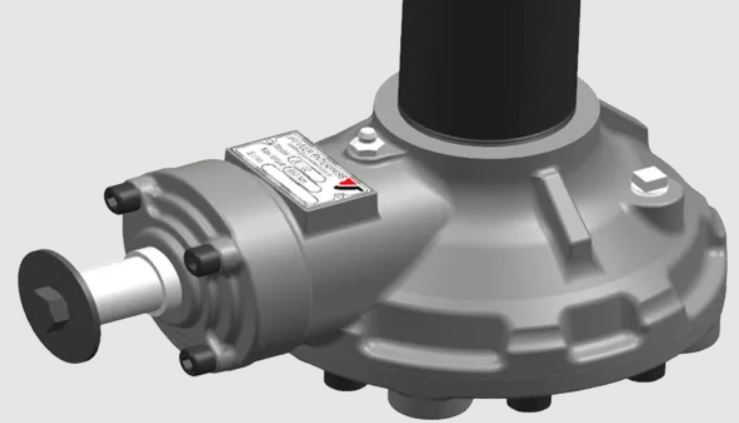
A Ball Valve Gearbox is a mechanical device used to operate a compatible ball valve through a gear reduction mechanism. Ball valves control flow using a rotating ball with a central opening. Turning the ball typically through 90 degrees allows the valve to move between open and closed positions.
When a valve requires more operating torque than a person can comfortably provide directly, a gearbox can make operation easier. It transfers input rotation to the valve stem while increasing the available output torque and reducing the required input effort.
Gearbox designs vary according to the valve’s construction and operating requirements. Common arrangements include worm gear mechanisms, which use a worm and wheel to provide gear reduction.
Key Features of a Ball Valve Gearbox
A suitable gearbox can offer several practical benefits in industrial valve systems.
High output torque: Gear reduction helps provide the torque required to operate compatible valves, particularly when direct operation is difficult.
Controlled valve movement: The mechanism supports controlled opening and closing, helping operators manage valve positions.
Durable construction: Suitable materials, protective coatings, and correct lubrication can support dependable performance in specified working conditions.
Easy operation: A gearbox with a suitable handwheel or compatible drive arrangement can reduce the effort required to operate a valve.
Flexible installation: Different designs are available for various valve sizes, mounting arrangements, and operating requirements.
The actual performance of a gearbox depends on its design, materials, rated capacity, and maintenance.
Industrial Applications of Ball Valve Gearboxes
Ball valve gearboxes are used across industries that need reliable flow control. The correct selection depends on the fluid, operating pressure, temperature, and valve specifications.
Oil and Gas Industry
Oil and gas facilities use ball valves in pipelines and processing systems. A compatible gearbox can help operators control valve movement where additional torque is required. Equipment selection must meet the relevant safety and operating requirements.
Water Treatment Plants
Water treatment facilities use valves to manage water movement through pipelines, filtration equipment, and distribution systems. Gearboxes can support valve operation where manual turning requires additional mechanical assistance.
Chemical Processing
Chemical plants handle various fluids under different operating conditions. Gearbox selection should account for corrosion exposure, temperature, operating torque, and the characteristics of the connected valve.
Power Generation
Power plants use industrial valves in cooling systems, utility lines, and process operations. A suitable Ball Valve Gearbox can help control compatible valves and support routine plant operations.
Manufacturing Facilities
Manufacturing plants often depend on valves to regulate fluids used in production processes. Gearboxes can simplify operation and provide controlled movement when selected according to the system’s technical requirements.
Benefits of Using a Ball Valve Gearbox
A Ball Valve Gearbox provides mechanical advantage by reducing input speed and increasing available output torque. This feature helps operators manage valves that may otherwise require considerable effort to turn.
Another benefit is controlled operation. The gearbox allows the valve to move through its operating range using a suitable input mechanism. This can be useful in industrial environments where consistent valve positioning is important.
A correctly matched gearbox can also reduce unnecessary strain on the operating mechanism. However, the gearbox must be compatible with the valve’s torque requirements and mounting arrangement. Features such as self-locking should never be assumed unless confirmed by the manufacturer.
Regular inspection and proper lubrication also contribute to dependable performance over the equipment’s service life.
How to Choose the Right Ball Valve Gearbox
Selecting a suitable gearbox begins with understanding the valve’s technical specifications. Identify the valve type, size, required operating torque, and rotation angle. These details help establish the basic requirements for the gearbox.
Next, check the gearbox’s rated output torque and applicable service factors. The unit should meet the valve manufacturer’s requirements under expected operating conditions. An undersized gearbox may fail to operate the valve properly, while an unsuitable oversized unit can increase costs and installation complexity.
Mounting compatibility is equally important. Verify the flange dimensions, stem connection, drive interface, and available installation space. If the gearbox will connect to an actuator, confirm that both components are compatible.
Also consider the operating environment. Temperature, moisture, dust, corrosive substances, and maintenance access can influence product selection. Reviewing these factors before purchase helps reduce compatibility issues.
Maintenance Tips for Long-Term Performance
Regular maintenance helps industrial gearboxes operate reliably. Follow the manufacturer’s instructions for inspection, lubrication, and servicing. Appropriate lubrication helps reduce friction between moving components and supports smooth operation.
Inspect the gearbox for unusual noise, excessive vibration, lubricant leakage, and loose mounting hardware. These signs may indicate wear, damage, or an installation problem that needs attention.
Keep the exterior clean and check protective coatings when the equipment operates in demanding environments. Avoid exceeding the rated torque or making unauthorised modifications to the mechanism.
Timely maintenance can help reduce avoidable downtime and extend equipment life. Always follow the relevant safety procedures before inspecting or servicing a valve gearbox.
Why Consider Jayveer Enterprise?
Choosing an industrial gearbox involves evaluating more than the product’s price. Buyers should consider technical specifications, valve compatibility, construction quality, and the suitability of the product for its intended application.
Jayveer Enterprise is a name to consider when researching Ball Valve Gearbox solutions for industrial use. Before making a purchase, provide the valve details, required torque, mounting specifications, and operating conditions to help determine the appropriate configuration.
A well-matched gearbox can support smooth valve operation, simplify handling, and contribute to the dependable performance of an industrial flow-control system.
Frequently Asked Questions
1. What is a Ball Valve Gearbox used for?
A Ball Valve Gearbox helps operate compatible ball valves by providing mechanical advantage and the torque needed to turn the valve between open and closed positions.
2. How does a ball valve gearbox work?
The gearbox transfers input rotation through a gear reduction mechanism. This reduces output speed while increasing the available output torque, subject to the gearbox’s efficiency and rated capacity.
3. Which industries use ball valve gearboxes?
Common applications include oil and gas, water treatment, chemical processing, power generation, and manufacturing facilities.
4. How do I select the correct gearbox size?
Consider the valve’s operating torque, size, mounting arrangement, operating conditions, and manufacturer specifications. The selected gearbox must meet the required torque rating.
5. How can I maintain a Ball Valve Gearbox?
Follow the manufacturer’s maintenance schedule, check lubrication and mounting hardware, and investigate unusual noise, vibration, or leakage promptly.
Conclusion
A Ball Valve Gearbox is an important component in industrial flow-control systems. It provides mechanical advantage and controlled operation for compatible ball valves across a wide range of applications. Proper selection, installation, and maintenance help support reliable performance.
Jayveer Enterprise can be considered when exploring industrial gearbox solutions. By checking torque requirements, mounting compatibility, environmental conditions, and maintenance needs, businesses can select a suitable gearbox for their operational requirements.