
Electronic Transcripts for Faster Academic Verification and Global Applications

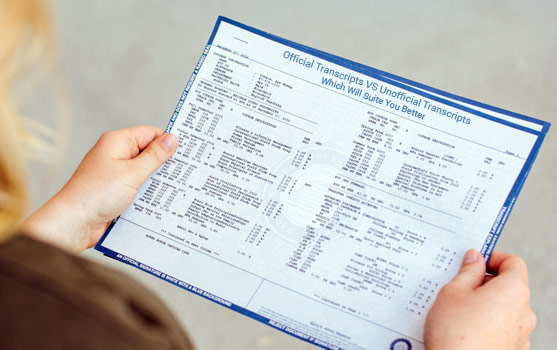
Students and graduates increasingly need academic records for university admissions, employment, licensing, immigration, and credential evaluation. Paper documents can take time to print, seal, courier, and track, especially when the recipient is located in another country. Electronic Transcripts provide a digital method for sending verified academic records to authorised institutions and organisations. World Document Services helps applicants organise their documents, understand submission requirements, coordinate transcript procurement, and arrange electronic delivery. The process can reduce paperwork while giving applicants a clearer way to manage important academic records.
Electronic Transcripts and Their Purpose
An electronic transcript is a digital version of an official academic record. It may contain subjects, marks, grades, credits, semesters, programme details, and completion information, depending on the issuing institution.
Unlike an ordinary scan uploaded by a student, an official electronic record may be generated, verified, or transmitted through an authorised university system or approved service. The recipient can then assess its authenticity according to its own policy.
Electronic Transcripts may support applications to universities, employers, professional bodies, credential evaluators, and immigration authorities. Acceptance depends on the recipient’s instructions, so applicants should confirm the required format before starting.
Why Digital Delivery Can Help
A paper transcript must be printed, placed in an envelope, sealed, and delivered physically. Digital delivery can reduce dependence on postal movement and may help recipients access the record sooner.
Applicants can also avoid repeatedly scanning, photocopying, and mailing the same academic information. Secure electronic transmission may provide a clearer trail of when a document was sent and where it was addressed.
Electronic Transcripts can be especially useful for students applying to several institutions with different deadlines. However, speed depends on university verification, document completeness, recipient response, and the selected delivery system.
Electronic Transcripts for Overseas Applications
International applications often involve several documents and separate deadlines. A student may need marksheets, a degree certificate, a transcript, passport identification, language scores, recommendation letters, and an evaluation form.
The receiving university or credential agency may require the transcript to come directly from the institution or through an approved electronic channel. An applicant-submitted PDF may not satisfy that rule.
World Document Services helps applicants review the destination requirements before arranging delivery. Electronic Transcripts should be sent to the correct email address, portal, or authorised recipient. A minor mistake in the destination details can create delays.
Information Applicants Should Prepare
Before requesting a digital transcript, keep the full academic name, registration number, course, college, university, admission year, passing year, semester details, and contact information ready. Applicants should also prepare readable copies of marksheets and the final degree certificate where required.
Name differences between a passport and academic records should be explained in advance. A legal name change may require supporting documents. Applicants should not edit academic records or create a substitute document.
When arranging Electronic Transcripts, share the receiving organisation’s instructions, reference number, email address, deadline, and preferred transmission method. Complete information helps the service team identify the right process.
Transcript Services in India for Digital Records
Transcript Services in India can assist students and graduates who need academic documents from universities across the country. Support may include document checking, application preparation, university coordination, verification follow-up, sealed transcript arrangements, electronic transmission, physical delivery, and guidance for overseas applications. Each institution follows its own procedure, so applicants should not assume that one university’s format applies everywhere. A professional service can help organise the request, but the issuing institution remains responsible for the official academic record and its verification.
Authentication and Secure Transmission
Digital academic records must be protected against unauthorised changes. Depending on the issuing system, an electronic transcript may include a secure link, verification code, digital signature, encrypted delivery, or other authentication feature.
The recipient may check the document with the university, service platform, or issuing authority. Applicants should avoid forwarding an official document casually or uploading it to unknown websites.
Electronic Transcripts should be delivered through a secure and authorised route. World Document Services helps applicants manage document exchange according to the stated requirements of the receiving organisation.
Common Uses Beyond University Admission
Academic records are not required only for studying abroad. Employers may request them during background verification. Professional regulators may need proof of education before issuing a licence. Immigration bodies can ask for academic evidence during an application.
Some credential evaluation organisations also require official records to assess international education. The evaluator may compare programme duration, subjects, credits, grades, and institutional information.
Electronic Transcripts can support these purposes when the recipient accepts digital delivery. Applicants should check whether the organisation needs a direct university transmission, a verified platform, or a physical sealed envelope.
Avoiding Application Delays
Incomplete records often create more difficulty than the digital format itself. Missing semester marksheets, unclear scans, incorrect registration numbers, wrong email addresses, and incomplete consent forms can delay processing.
Create a document checklist before submitting the request. Confirm every semester, verify the recipient details, review uploaded files, and keep payment and application references safely stored.
World Document Services can help applicants identify missing information and coordinate the next steps. Processing time may still vary because of university workload, holidays, verification questions, record availability, and recipient requirements.
Selecting a Document Support Provider
A suitable provider should explain its role, fees, expected timeline, document requirements, delivery method, and privacy practices. Applicants should ask whether the service supports electronic transmission, physical sealed copies, verification communication, courier delivery, or only application preparation.
Confidentiality is essential because academic records contain personal information. Use secure upload methods and avoid sharing passwords or unnecessary documents.
World Document Services supports applicants who need academic records for education, employment, immigration, and professional purposes. A clear consultation can help determine whether assistance is required before, during, or after the university application.
Checking the Final Delivery
After delivery, confirm that the recipient received the document and that the email address or portal record is correct. Save the transmission confirmation, reference number, and copies of supporting files.
Do not alter an electronic transcript. Avoid converting it into a different format if the recipient requires the original digital file or verification link. If the institution reports a problem, contact the service provider or issuing university promptly.
Electronic Transcripts may remain useful for future applications, but acceptance can depend on the recipient and the document’s validity period.
Conclusion
Electronic Transcripts offer a practical way to manage academic records for admissions, employment, licensing, immigration, and credential evaluation. They can reduce paper handling, support faster communication, and make document delivery easier when the recipient accepts authorised digital records.
World Document Services helps applicants prepare information, organise documents, coordinate requests, and manage electronic transmission. Before proceeding, confirm the recipient’s requirements, provide complete academic details, and use secure delivery methods. Careful preparation improves the chance of smooth verification and helps graduates manage important applications with greater confidence.